Squirting Cucumber: The Garden’s Most Explosive Plant
If you’re looking for a conversation starter in your garden, meet the squirting cucumber (Ecballium elaterium) – a plant that literally launches its seeds with explosive force! This quirky Mediterranean native has earned its common name through one of nature’s most dramatic seed dispersal methods, making it both fascinating and potentially problematic for gardeners.
What Is Squirting Cucumber?
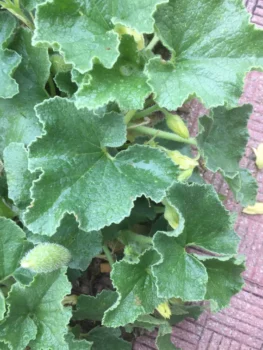
The squirting cucumber is a perennial forb – essentially a non-woody herbaceous plant that comes back year after year. Don’t let the name fool you; this isn’t actually related to the cucumbers in your salad. It’s a trailing vine with rough, hairy leaves and small yellow flowers that develop into the plant’s claim to fame: explosive seed pods that can shoot their contents up to 20 feet away!
Botanically known as Ecballium elaterium, this plant was previously classified as Momordica elaterium, and you might occasionally see it listed under that older name.
Where Does It Grow?
Originally from the Mediterranean region, squirting cucumber has made its way to parts of the United States as a non-native species. Currently, it’s established in Alabama, New York, and Pennsylvania, where it reproduces on its own without human intervention.
- Species observed
- No observations
Should You Grow Squirting Cucumber?
This plant sits in an interesting gray area for gardeners. Here are the key considerations:
Reasons you might want it:
- Unique novelty factor – the explosive seed pods are genuinely entertaining
- Low maintenance once established
- Drought tolerant
- Attracts small pollinators like bees and flies
- Interesting addition to Mediterranean-style gardens
Reasons to think twice:
- It’s not native to North America
- Can self-seed aggressively due to its explosive dispersal method
- May escape cultivation and establish in natural areas
- Takes up space that could support native plants and wildlife
Native Alternatives to Consider
Before planting squirting cucumber, consider these native alternatives that offer unique characteristics without the ecological concerns:
- Wild ginger (Asarum canadense) – interesting heart-shaped leaves and unusual flowers
- Jewelweed (Impatiens capensis) – explosive seed pods similar to squirting cucumber
- Wild cucumber (Echinocystis lobata) – climbing vine with interesting seed pods
Growing Conditions and Care
If you decide to grow squirting cucumber, it’s surprisingly easy to please:
Climate: Best suited for USDA hardiness zones 8-11, though it may survive as an annual in cooler areas.
Light: Prefers full sun but tolerates partial shade.
Soil: Thrives in well-draining soil and actually prefers somewhat poor, rocky conditions – perfect for rock gardens or Mediterranean landscapes.
Water: Drought tolerant once established. Overwatering can lead to fewer flowers and less dramatic seed dispersal.
Planting and Maintenance Tips
- Start from seeds in spring after the last frost
- Plant in containers to control spread
- Provide support for the trailing vines if desired
- Deadhead flowers if you want to prevent self-seeding
- Wear gloves when handling – the plant can cause skin irritation
- Never plant near natural areas where it might escape
The Bottom Line
Squirting cucumber is undeniably fascinating, and for gardeners seeking unusual plants, it delivers on entertainment value. However, as responsible gardeners, we should consider the ecological impact of our choices. If you’re drawn to this plant’s unique characteristics, try growing it in containers to enjoy its explosive personality while preventing unwanted spread. Better yet, explore native alternatives that can provide similar intrigue while supporting local ecosystems.
Remember, the most sustainable gardens are those that work with nature, not against it. Whether you choose the squirting cucumber or opt for native alternatives, you’ll be adding interest and biodiversity to your outdoor space.