St. Anthony’s Turnip: A Bright Spring Bloomer with a Quirky Past
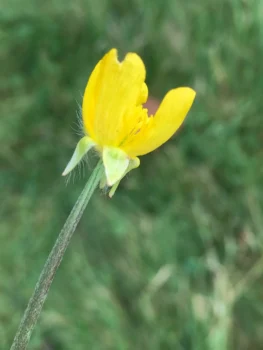
If you’ve ever wondered about that cheerful yellow flower dotting fields and roadsides in early spring, you might be looking at St. Anthony’s Turnip (Ranunculus bulbosus). Despite its unusual common name, this isn’t actually related to turnips at all – it’s a member of the buttercup family that’s made itself quite at home across North America.
What Exactly Is St. Anthony’s Turnip?
St. Anthony’s Turnip is a perennial forb, which is a fancy way of saying it’s a non-woody herbaceous plant that comes back year after year. This European native has been spreading its cheerful presence across the continent for generations, establishing itself as a familiar sight in many landscapes.
The plant gets its quirky name from its distinctive bulbous root system, though calling it a turnip is definitely a stretch. The St. Anthony part likely refers to the patron saint of lost things – perhaps because this little plant has a knack for popping up in unexpected places!
Where You’ll Find It Growing
This adaptable plant has made itself at home across an impressive range, from Alabama to British Columbia, and from California to Newfoundland. It’s established in most U.S. states and several Canadian provinces, thriving in USDA hardiness zones 3-9.
- Species observed
- No observations
The Garden Appeal
St. Anthony’s Turnip brings several attractive qualities to the garden:
- Bright, glossy yellow flowers that practically glow in spring sunshine
- Early blooming period when few other flowers are active
- Attractive to bees, butterflies, and other pollinators
- Low maintenance once established
- Tolerates various growing conditions
The flowers are classic buttercup beauties – about an inch across with five shiny, bright yellow petals that seem to have been polished to perfection. They typically bloom from late spring to early summer, providing a cheerful carpet of color when many gardens are just waking up.
Should You Plant St. Anthony’s Turnip?
Here’s where things get interesting. While this plant isn’t native to North America, it’s not considered invasive or harmful either. It falls into that middle ground of naturalized plants that have found their niche without causing major ecological disruption.
The plant has a facultative wetland status, meaning it’s equally happy in moist or drier conditions, making it quite versatile for different garden situations.
Growing Conditions and Care
If you’re considering adding St. Anthony’s Turnip to your landscape, here’s what it prefers:
- Sunlight: Full sun to partial shade
- Soil: Moist, well-drained soil, but tolerates clay and various soil types
- Water: Moderate moisture, drought tolerant once established
- Maintenance: Very low – this is a plant it and forget it kind of flower
The plant spreads through its bulbous root system and self-seeding, so it can fill in areas naturally over time. In ideal conditions, it might become a bit enthusiastic about spreading, so keep this in mind for smaller garden spaces.
Best Garden Uses
St. Anthony’s Turnip works particularly well in:
- Naturalized meadow areas
- Cottage garden settings
- Informal landscape borders
- Areas where early spring color is desired
- Pollinator-friendly garden spaces
Consider Native Alternatives
While St. Anthony’s Turnip isn’t problematic, you might also consider these native spring bloomers that provide similar early-season color and pollinator benefits:
- Wild ginger for shaded areas
- Prairie buttercup (where native) for sunny meadows
- Marsh marigold for moist conditions
- Native violets for early spring color
The Bottom Line
St. Anthony’s Turnip is one of those plants that won’t win any native plant garden awards, but it’s not going to cause problems either. If you’re looking for reliable, cheerful spring color that attracts pollinators and requires minimal fuss, it’s a perfectly reasonable choice. Just be aware that it might spread more enthusiastically than you initially planned – but honestly, could you really complain about too many bright yellow flowers greeting you each spring?
Whether you choose to plant it or simply appreciate it when you encounter it in the wild, St. Anthony’s Turnip is a reminder that sometimes the most cheerful garden companions are the ones that just show up and make themselves at home.