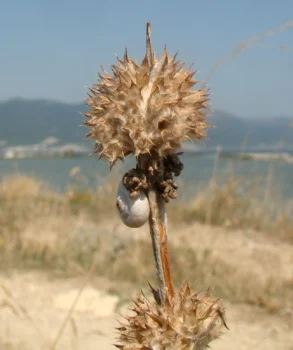
Stachys cretica: A Mediterranean Beauty for Your Drought-Tolerant Garden
Meet Stachys cretica, a charming Mediterranean native that’s quietly winning hearts in drought-conscious gardens across warmer climates. While this woolly wonder might not have a catchy common name that rolls off the tongue, it more than makes up for it with its silvery good looks and easy-going nature.
What is Stachys cretica?
Stachys cretica is a perennial herb belonging to the mint family, originally hailing from the sun-soaked Mediterranean region, particularly Greece and Crete. You might occasionally see it listed under its botanical synonyms, Stachys germanica var. italica or Stachys italica, but don’t let the name confusion fool you – this is one straightforward plant to grow.
Where Does It Come From?
This Mediterranean native calls the rocky hillsides and coastal regions of Greece, particularly Crete, its ancestral home. From there, it has spread throughout similar climates in the Mediterranean basin, thriving in areas with hot, dry summers and mild winters.
Why You Might Want to Grow Stachys cretica
Here’s where this plant really shines – it’s practically the poster child for low-maintenance gardening. The soft, silvery-gray foliage creates a beautiful textural contrast in the garden, while delicate spikes of pink to purple flowers add just the right amount of color without being overwhelming.
What makes it even more appealing:
- Extremely drought tolerant once established
- Attracts beneficial pollinators like bees and butterflies
- Deer resistant (they don’t seem to enjoy the woolly texture)
- Low water requirements make it perfect for water-wise landscaping
- Adds year-round structure with its evergreen foliage in mild climates
Perfect Garden Companions
Stachys cretica feels right at home in Mediterranean-style gardens, rock gardens, and xeriscapes. It plays well with other drought-loving plants like lavender, rosemary, and ornamental grasses. Consider using it as a border plant, ground cover for slopes, or as part of a pollinator garden where water conservation is a priority.
Growing Conditions and Care
The beauty of Stachys cretica lies in its simplicity. This plant thrives in USDA hardiness zones 7-10, making it suitable for warmer regions of the United States.
Ideal growing conditions:
- Full sun to partial shade (though it prefers plenty of sunshine)
- Well-draining soil – it absolutely hates wet feet
- Sandy or rocky soil is perfect
- pH neutral to slightly alkaline soil
- Minimal water once established
Planting and Care Tips
Getting started with Stachys cretica is refreshingly straightforward:
Planting: Spring is your best bet for planting. Choose a sunny spot with excellent drainage – if your soil holds water, consider raised beds or adding plenty of gravel and sand to improve drainage.
Watering: Water regularly for the first few months until the plant establishes its root system. After that, you can practically forget about it – occasional deep watering during extreme drought is all it needs.
Maintenance: Deadhead spent flowers to encourage more blooms, and give it a light trim in late winter to maintain its shape. That’s about it!
A Word About Native Alternatives
While Stachys cretica isn’t native to North America, it’s not known to be invasive either. However, if you’re committed to native-only gardening, consider looking into native alternatives like Wild Bergamot (Monarda species) or native Salvias, which offer similar pollinator benefits and drought tolerance in many regions.
The Bottom Line
Stachys cretica might not be the showiest plant in your garden, but it’s definitely one of the most reliable. If you’re looking for a low-maintenance, drought-tolerant perennial that adds subtle beauty while supporting pollinators, this Mediterranean native deserves a spot in your water-wise landscape. Just make sure you can provide the well-draining conditions it craves, and you’ll have a happy, healthy plant for years to come.