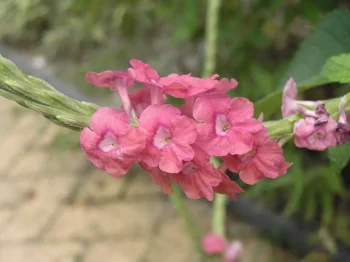
Stachytarpheta speciosa: A Mysterious Member of the Porterweed Family
If you’ve stumbled across the name Stachytarpheta speciosa in your plant research, you’re not alone in wondering what exactly this species is all about. This member of the Verbenaceae family falls into a genus commonly known as porterweed, but finding specific information about S. speciosa can feel like searching for a needle in a haystack.
What We Know (And Don’t Know)
Here’s the honest truth about Stachytarpheta speciosa: reliable, species-specific information is surprisingly scarce. While the genus Stachytarpheta includes several well-documented species like S. jamaicensis and S. cayennensis, S. speciosa remains something of an enigma in horticultural circles.
What we do know is that this plant belongs to the porterweed genus, which typically features members that are:
- Herbaceous perennials or subshrubs
- Known for their spike-like flower clusters
- Generally tropical or subtropical in origin
- Often attractive to butterflies and other pollinators
The Geographic Mystery
Unfortunately, the specific native range and geographic distribution of Stachytarpheta speciosa remains unclear from available sources. Many Stachytarpheta species are native to tropical regions of the Americas, but without confirmed information specific to S. speciosa, we can’t make definitive statements about its origins or natural habitat.
Should You Plant It?
Here’s where things get tricky. Without clear information about this species’ native status, invasive potential, growing requirements, or even its basic characteristics, it’s difficult to recommend for or against planting Stachytarpheta speciosa.
If you’re considering this plant for your garden, here are some important steps to take first:
- Verify the plant identification with local botanical experts
- Research its status in your specific region
- Check with your local extension office about any concerns
- Consider well-documented native alternatives in the Verbenaceae family
Better-Known Alternatives
If you’re drawn to the porterweed genus, you might want to consider these better-documented relatives instead:
- Stachytarpheta jamaicensis (Blue porterweed) – if native to your area
- Native Verbena species in your region
- Other native members of the Verbenaceae family
The Bottom Line
While Stachytarpheta speciosa might sound intriguing, the lack of specific information about this species makes it a risky choice for most gardeners. Your best bet is to focus on well-documented native plants that you know will thrive in your area while supporting local ecosystems.
If you do encounter this plant in cultivation or the wild, consider reaching out to botanical institutions or herbaria – you might be contributing valuable information to the scientific understanding of this mysterious species!
A Word of Caution
Remember that plant names can be confusing, and sometimes what’s labeled as one species might actually be another. Always verify plant identifications through reputable sources, and when in doubt, choose plants with well-established track records in your local growing conditions.