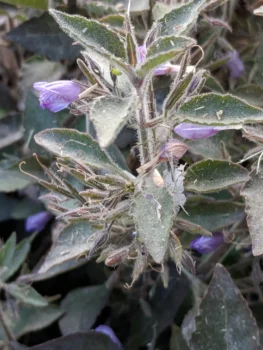
Starhorn: A Water-Loving Perennial for Your Bog Garden
If you’ve been dreaming of adding some purple pizzazz to your water garden, you might want to get acquainted with starhorn (Hygrophila corymbosa). This moisture-loving perennial brings a splash of color to wet areas where many other flowering plants fear to tread.
What Exactly is Starhorn?
Starhorn is a non-native perennial forb that has made itself at home in Florida’s wetlands. Originally from Southeast Asia, particularly India and Sri Lanka, this adaptable plant has found its way into American water gardens and natural wetland areas. As a forb, it’s an herbaceous plant without woody stems, putting all its energy into those lovely purple blooms rather than building bark.
Where You’ll Find It Growing
In the United States, starhorn has established itself primarily in Florida, where it thrives in the warm, humid conditions. It’s classified as an obligate wetland plant in the Atlantic and Gulf Coastal Plain region, which means it almost always needs its feet wet to be happy.
- Species observed
- No observations
The Appeal of Starhorn
What makes starhorn catch a gardener’s eye? Those charming clusters of small, tubular purple to lavender flowers certainly don’t hurt. The blooms appear in dense, rounded clusters that create nice pops of color against the plant’s simple green, opposite leaves. It’s the kind of plant that adds both color and texture to water features without being overly flashy.
Garden Role and Landscape Use
Starhorn works beautifully as:
- A specimen plant along pond margins
- Part of a naturalized bog garden
- An accent in water gardens
- Ground cover in consistently moist areas
It’s particularly well-suited for water gardens, bog gardens, and any landscape feature where you want flowering plants but have persistently wet conditions.
Growing Conditions and Care
Starhorn is refreshingly straightforward about its needs – it wants to be wet, and it wants some sun. Here’s what this water-lover requires:
- Light: Full sun to partial shade
- Water: Consistently moist to wet soil – think bog conditions
- Hardiness: USDA zones 9-11
- Soil: Tolerates various soil types as long as they stay moist
Planting and Care Tips
Getting starhorn established is pretty straightforward if you can meet its moisture requirements:
- Plant in spring after the last frost
- Choose a location that stays consistently wet – pond edges are perfect
- Space plants appropriately as they can spread in ideal conditions
- In zones cooler than 9, grow as an annual or bring indoors for winter
- Monitor for aggressive spreading in optimal growing conditions
Wildlife and Pollinator Benefits
Those purple flower clusters aren’t just pretty – they’re also pollinator magnets. Starhorn attracts butterflies and other small pollinators with its nectar-rich blooms, adding some wildlife activity to your water garden.
Should You Plant Starhorn?
Starhorn can be a lovely addition to water gardens, especially if you’re in the right climate zones and have the consistently wet conditions it craves. However, since it’s a non-native species, you might also consider native alternatives that provide similar benefits while supporting local ecosystems.
Some native alternatives for wetland gardening include cardinal flower (Lobelia cardinalis), blue flag iris (Iris virginica), or swamp milkweed (Asclepias incarnata) – all beautiful native options that thrive in wet conditions and support local wildlife.
If you do choose to grow starhorn, just keep an eye on its spreading habits and be a responsible gardener by preventing it from escaping into natural areas.
The Bottom Line
Starhorn offers an easy way to add color to challenging wet spots in your landscape. While it may not be native, it can certainly earn its place in a thoughtfully designed water garden. Just remember – this plant lives up to its wetland status, so don’t expect it to forgive you if you let it dry out!