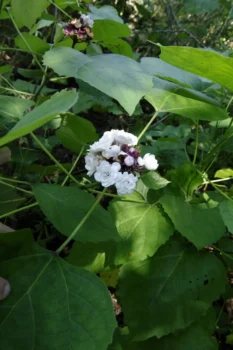
Stickbush: A Fragrant Non-Native Shrub for Warm Climate Gardens
If you’re looking for a fragrant flowering shrub that can add tropical flair to your garden, you might have come across stickbush (Clerodendrum chinense). This perennial shrub has been making its way into American gardens, particularly in warmer regions. But before you decide whether to plant it, let’s dive into what makes this aromatic shrub tick and whether it’s right for your landscape.
What is Stickbush?
Stickbush, scientifically known as Clerodendrum chinense, is a multi-stemmed woody shrub that typically grows between 4-5 meters (13-16 feet) tall, though it can sometimes exceed this height depending on growing conditions. You might also see it listed under its synonyms, including Clerodendrum fragrans or Clerodendrum philippinum, which can make plant shopping a bit confusing!
Originally hailing from China and Southeast Asia, this non-native species has established itself in several U.S. locations including Florida, Hawaii, Puerto Rico, and the Virgin Islands. It reproduces on its own in the wild and has persisted in these warm climates without human intervention.
- Species observed
- No observations
The Appeal of Stickbush
What draws gardeners to stickbush? The main attraction is its incredibly fragrant flowers. These white to pink blooms appear in showy clusters and release a sweet, intense fragrance that can perfume an entire garden area. The flowers also serve as magnets for butterflies and other pollinators, adding movement and life to your landscape.
Beyond the blooms, stickbush offers attractive foliage that provides a lush, tropical backdrop in garden settings. Its shrub form makes it versatile for use as a specimen plant, in mixed borders, or as part of a tropical-themed landscape design.
Growing Conditions and Care
If you’re considering adding stickbush to your garden, here’s what you need to know about keeping it happy:
- Climate: Thrives in USDA hardiness zones 9-11
- Sunlight: Performs well in partial shade to full sun
- Soil: Prefers well-drained soil but adapts to various soil types
- Water: Needs regular watering, especially during establishment
- Maintenance: Benefits from occasional pruning to maintain shape
One interesting note about stickbush is its relationship with wetlands. In most regions (Atlantic and Gulf Coastal Plain, Caribbean), it’s classified as an obligate upland plant, meaning it almost never occurs in wetlands. However, in Hawaii, it’s more adaptable and can grow in both wetland and non-wetland areas.
Planting and Care Tips
When planting stickbush, choose a location that receives good air circulation to prevent fungal issues. Plant it in spring after the last frost danger has passed. Water regularly during the first growing season to help establish a strong root system.
Pruning can be done after flowering to maintain size and shape. In colder parts of its range, protect the plant from frost, or consider growing it in a container that can be moved indoors during winter.
Should You Plant Stickbush?
Here’s where things get interesting. While stickbush isn’t currently listed as invasive or noxious, it is a non-native species that has naturalized in several U.S. regions. This means it’s found a way to thrive outside its native range and reproduce without human help.
If you’re drawn to its fragrant flowers and tropical appearance, you might want to consider some native alternatives first. Depending on your location, native options might include:
- Native azaleas for fragrant spring blooms
- Native honeysuckles for pollinator-friendly flowers
- Regional native shrubs with attractive foliage and wildlife benefits
If you do choose to plant stickbush, be a responsible gardener by monitoring its behavior in your landscape and removing any unwanted seedlings that might pop up in natural areas nearby.
The Bottom Line
Stickbush offers undeniable charm with its fragrant flowers and lush appearance, making it a tempting choice for warm-climate gardens. While it’s not currently flagged as problematic, its non-native status means it’s worth considering native alternatives first. If you do decide to grow it, you’ll be rewarded with a fragrant, pollinator-friendly shrub that can serve as a lovely focal point in tropical and subtropical landscape designs.
Remember, the best garden is one that reflects both your personal preferences and environmental responsibility. Whatever you choose, happy gardening!