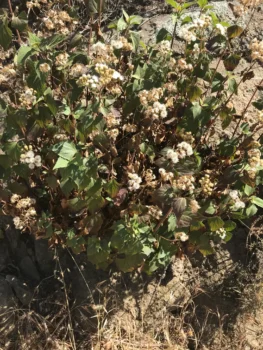
Sticky Snakeroot: A Pretty Problem You Don’t Want in Your Garden
If you’ve stumbled across sticky snakeroot (Ageratina adenophora) in your research for new garden plants, hold up before you hit that add to cart button! While this perennial herb might seem like an innocent flowering plant, it’s actually a botanical bad actor that’s earned itself a spot on the noxious weed list. Let’s dive into why this particular plant is one you’ll want to avoid, and what you should grow instead.
What Is Sticky Snakeroot?
Sticky snakeroot is a perennial forb herb, which is just a fancy way of saying it’s a non-woody plant that comes back year after year. Originally hailing from Mexico and Central America, this plant has made itself far too comfortable in parts of the United States, particularly in California and Hawaii.
You might also see it listed under its scientific synonyms Eupatorium adenophorum or Eupatorium glandulosum in older gardening references, but don’t let the name changes fool you – it’s the same problematic plant.
Where You’ll Find It (Unfortunately)
Currently, sticky snakeroot has established populations in California and Hawaii, where it’s considered a non-native species that reproduces spontaneously without any human help. Once it gets going, this plant tends to persist and spread, which is exactly why it’s earned its troublesome reputation.
- Species observed
- No observations
Why Sticky Snakeroot Is Bad News for Your Garden
Here’s the deal: sticky snakeroot isn’t just a garden no-no because it’s non-native. It’s actually classified as a noxious weed in the United States, which means it poses a real threat to native ecosystems and agriculture. This plant has a knack for taking over areas and crowding out the native plants that local wildlife depends on.
The plant thrives in various conditions and has a particular fondness for disturbed soils, making it an aggressive colonizer that’s hard to get rid of once established. It’s like that houseguest who overstays their welcome and rearranges your furniture – except much worse for the environment.
Growing Conditions (That You Should Ignore)
While we’re definitely not recommending you plant sticky snakeroot, it’s worth understanding what makes this plant so successful at spreading. It’s remarkably adaptable and can handle a range of growing conditions, which is part of what makes it such an effective invader.
The plant typically grows in USDA hardiness zones 8-11 and has a facultative upland wetland status, meaning it usually grows in non-wetland areas but can tolerate some wetland conditions too. This flexibility is bad news for native plant communities.
What to Plant Instead
The good news is that there are plenty of fantastic native alternatives that will give you the beauty you’re looking for without the ecological headaches. Instead of sticky snakeroot, consider these native options:
- Native asters for similar small, clustered flowers
- Local wildflower mixes that support native pollinators
- Regional native perennials that provide habitat for local wildlife
Check with your local native plant society or extension office for specific recommendations that will thrive in your area and support local ecosystems.
The Bottom Line
Sticky snakeroot might produce pretty clusters of small white flowers, but its invasive nature and noxious weed status make it a hard pass for responsible gardeners. Instead of risking the spread of this problematic plant, stick with native species that will provide beauty, support local wildlife, and keep your local ecosystem healthy and balanced.
Remember, the best gardens are those that work with nature, not against it. By choosing native plants over invasive species like sticky snakeroot, you’re doing your part to preserve the natural heritage of your region while still creating a gorgeous outdoor space.