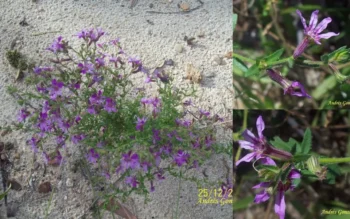
Sticky Waxweed: A Lesser-Known Southern Wildflower
If you’ve ever wandered through the wild spaces of Louisiana or Texas and stumbled upon a small flowering forb with an unusual name, you might have encountered sticky waxweed. This intriguing plant, scientifically known as Cuphea glutinosa, is one of those under-the-radar species that doesn’t get much attention in gardening circles—but that doesn’t mean it’s not worth knowing about.
What Is Sticky Waxweed?
Sticky waxweed is a perennial forb, which is just a fancy way of saying it’s a non-woody flowering plant that comes back year after year. Like other forbs, it lacks the thick, woody stems you’d find on shrubs or trees, instead growing as a more delicate herbaceous plant. The sticky part of its common name likely refers to some tactile quality of the plant, though specific details about its texture aren’t widely documented.
Where Does It Grow?
Currently, sticky waxweed has established itself in Louisiana and Texas, where it reproduces on its own in the wild. However, this plant isn’t actually native to North America—it’s what botanists call a non-native or introduced species that has managed to naturalize in these southern states.
- Species observed
- No observations
Garden and Landscape Considerations
Here’s where things get a bit tricky for gardeners. While sticky waxweed isn’t listed as invasive or problematic, there’s limited information available about its garden performance, specific growing requirements, or ornamental value. This makes it somewhat of a wild card for cultivation.
Growing Conditions and Habitat
Based on its wetland status, sticky waxweed is considered facultative upland in both the Atlantic and Gulf Coastal Plain and Great Plains regions. This means it usually prefers drier, non-wetland conditions but can tolerate some moisture. It’s adaptable enough to grow in various soil moisture levels, though it leans toward the drier side of the spectrum.
Should You Plant Sticky Waxweed?
This is where many gardeners might pause. While there’s nothing inherently wrong with growing sticky waxweed, its non-native status and limited availability make it an unusual choice for most gardens. If you’re drawn to small flowering forbs, you might want to consider these native alternatives that support local ecosystems:
- Wild bergamot (Monarda fistulosa) – attracts pollinators and has aromatic foliage
- Lanceleaf coreopsis (Coreopsis lanceolata) – bright yellow flowers and easy care
- Purple coneflower (Echinacea purpurea) – beloved by butterflies and birds
- Black-eyed Susan (Rudbeckia fulgida) – cheerful blooms and drought tolerance
The Bottom Line
Sticky waxweed remains something of a botanical mystery in the gardening world. While it’s established itself in southern landscapes, gardeners looking for reliable, well-documented plants might want to explore native alternatives that offer known benefits to local wildlife and ecosystems. However, if you happen to encounter this plant in the wild, it’s worth appreciating as part of the complex tapestry of naturalized flora in the American South.
Sometimes the most interesting plants are the ones that keep a little mystery about themselves—and sticky waxweed certainly fits that description.