Stinging Nettle: The Garden Plant That Bites Back (But Maybe You’ll Want It Anyway)
Meet stinging nettle (Urtica dioica), the plant that literally gives you feedback about your gardening technique! While most gardeners accidentally encounter this perennial forb during weeding sessions, some actually choose to cultivate it. Before you dismiss this prickly character entirely, let’s explore whether stinging nettle deserves a spot in your landscape.
What Exactly Is Stinging Nettle?
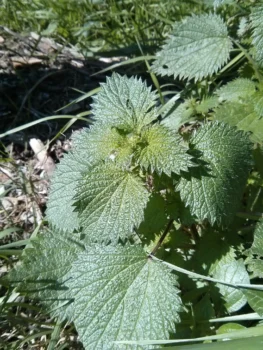
Stinging nettle is a perennial forb – essentially an herbaceous plant without woody stems that comes back year after year. It’s famous for its dark green, heart-shaped leaves with serrated edges and tiny stinging hairs that deliver a memorable burning sensation when touched. The plant produces small, inconspicuous greenish flowers that hang in drooping clusters, and it spreads through both seeds and underground rhizomes.
Where Does It Grow?
This plant has one of the most extensive distributions you’ll find, growing across virtually all of North America. From Alabama to Alaska, from coast to coast, stinging nettle has established itself in an impressive range of climates and conditions. Its native status is complex – while it appears to be native in some western regions and introduced in others, it has naturalized so thoroughly that it’s now considered part of the landscape in most areas.
- Species observed
- No observations
The Case for Growing Stinging Nettle
Despite its intimidating reputation, stinging nettle offers several benefits that might make you reconsider its place in your garden:
- Wildlife magnet: The small flowers provide nectar and pollen for various insects and bees, while the leaves serve as food for butterfly larvae
- Edible and medicinal: Young spring leaves are edible when cooked and have been used medicinally for centuries
- Natural fertilizer: Makes excellent liquid fertilizer when composted
- Erosion control: Dense growth habit helps stabilize soil on slopes
- Low maintenance: Once established, requires virtually no care
The Case Against Growing Stinging Nettle
Before you rush to plant stinging nettle, consider these potential drawbacks:
- Aggressive spreader: Can quickly take over garden areas if not managed
- Painful encounters: Those stinging hairs are no joke – accidental contact is memorable
- Difficult to remove: Once established, the rhizome system makes it challenging to eliminate
- May crowd out other plants: Its vigorous growth can overwhelm more delicate species
Growing Conditions and Care
If you decide to invite stinging nettle into your landscape, it’s refreshingly easy to please. This adaptable plant thrives in USDA hardiness zones 3-10 and tolerates a wide range of conditions. According to wetland classifications, it can grow in both wet and dry areas, though it generally prefers:
- Moist, fertile soils
- Partial shade to full sun
- Rich, nitrogen-containing soil
- Areas with consistent moisture
Planting and Management Tips
The biggest challenge with stinging nettle isn’t getting it to grow – it’s keeping it where you want it! Here are some practical tips:
- Containment is key: Plant in areas where spreading won’t be problematic, or use root barriers
- Choose the right location: Perfect for wild areas, woodland edges, or dedicated herb gardens
- Harvest regularly: Cutting young leaves in spring helps control growth and provides edible greens
- Wear gloves: Always use thick gloves when handling – learn from other gardeners’ stinging mistakes!
- Consider alternatives: In sensitive ecosystems, consider native alternatives that provide similar benefits without the aggressive spreading
The Bottom Line
Stinging nettle is like that friend who’s simultaneously helpful and slightly troublesome – useful to have around, but you need to set clear boundaries. It’s excellent for wildlife gardens, naturalized areas, and permaculture settings where its spreading tendency is an asset rather than a problem. However, for formal gardens or small spaces, you might want to consider more manageable native alternatives.
If you do decide to grow stinging nettle, respect its vigorous nature and plan accordingly. With proper placement and occasional management, this hardy perennial can be a valuable addition to the right garden setting – just remember to keep those gardening gloves handy!