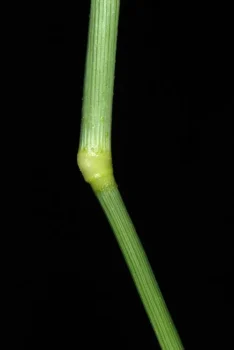
Stinkgrass: What Every Gardener Should Know About This Common Weedy Grass
If you’ve ever wondered about that scrappy little grass popping up in disturbed areas around your garden, you might be looking at stinkgrass (Eragrostis cilianensis). Despite its less-than-flattering common name, this annual grass has managed to establish itself across virtually all of North America, though it’s not exactly winning any popularity contests among gardeners.
What Is Stinkgrass?
Stinkgrass is a non-native annual grass that belongs to the lovegrass family. Originally from the Mediterranean region and parts of Europe and Asia, this hardy little survivor has made itself at home throughout Canada and the United States. You might also encounter it under its botanical synonyms, including Eragrostis major or Eragrostis megastachya, though these names are less commonly used today.
As a graminoid (grass-like plant), stinkgrass produces the characteristic narrow leaves and seed heads you’d expect from a member of the grass family. It’s an annual, meaning it completes its entire life cycle in one growing season, typically germinating in spring and producing seeds by late summer or fall.
Where You’ll Find It
Stinkgrass has an impressive geographic distribution, growing in every U.S. state and several Canadian provinces, including Alberta, British Columbia, Manitoba, Nova Scotia, Ontario, Quebec, and Saskatchewan. From Hawaii to Maine, and from Florida to Alaska, this adaptable grass has found a way to thrive in diverse climates and conditions.
- Species observed
- No observations
Growing Conditions and Habitat
One reason stinkgrass has spread so successfully is its adaptability to various growing conditions. It has a wetland status of Facultative Upland across all regions, meaning it usually grows in non-wetland areas but can tolerate some moisture when necessary. You’ll typically find it in:
- Disturbed soils and waste areas
- Roadsides and pathways
- Gardens and cultivated areas
- Areas with poor or compacted soil
- Sunny, open locations
This grass is remarkably drought-tolerant and can adapt to USDA hardiness zones 3-10+, though as an annual, it doesn’t technically overwinter but rather reseeds itself each year.
Should You Plant Stinkgrass in Your Garden?
Here’s where we need to have an honest conversation: while stinkgrass isn’t listed as invasive or noxious, it’s generally not recommended for intentional garden cultivation. Here’s why:
- Limited aesthetic appeal compared to ornamental grasses
- Tendency to spread aggressively by seed
- Minimal wildlife or pollinator benefits
- Can become weedy in cultivated areas
- Takes up space that could be used for more beneficial plants
Better Native Alternatives
Instead of stinkgrass, consider these beautiful native grass alternatives that provide similar fine texture but offer much greater ecological benefits:
- Buffalo grass (Bouteloua dactyloides) for prairie regions
- Little bluestem (Schizachyrium scoparium) for diverse conditions
- Purple love grass (Eragrostis spectabilis) – a native Eragrostis species
- Sideoats grama (Bouteloua curtipendula) for naturalized areas
Managing Stinkgrass
If stinkgrass has already established itself in your garden, don’t panic. As an annual, it can be managed relatively easily:
- Hand-pull young plants before they set seed
- Improve soil conditions to favor desirable plants
- Establish dense plantings of preferred species to outcompete weeds
- Mow or cut before seed formation to prevent spread
The Bottom Line
While stinkgrass isn’t going to harm your garden ecosystem significantly, it’s simply not the best choice when so many beautiful, beneficial native grasses are available. Think of it as nature’s placeholder – it fills empty niches in disturbed soils, but in a well-planned garden, you can do much better. Focus your energy on native alternatives that will provide food for wildlife, support pollinators, and create the beautiful, sustainable landscape you’re dreaming of.
Remember, every plant has its place in the broader ecosystem, even if that place isn’t necessarily in our carefully curated garden beds!