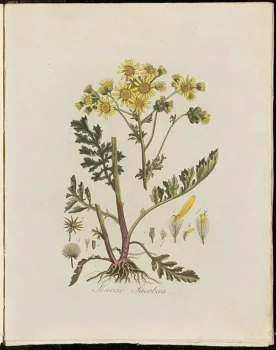
Stinking Willie: Why This Yellow Wildflower Should Stay Out of Your Garden
Don’t let the cheerful yellow blooms fool you – stinking willie (Senecio jacobaea) is one wildflower that definitely doesn’t deserve a spot in your garden. Also known by its somewhat more dignified synonym Jacobaea vulgaris, this European import has been making itself far too comfortable across North America, and not in a good way.
What Is Stinking Willie?
Stinking willie is a perennial forb – essentially a non-woody flowering plant that comes back year after year. True to its unflattering common name, this plant has a rather unpleasant odor when crushed, which should be your first clue that it’s not exactly garden-friendly material.
The plant produces clusters of bright yellow, daisy-like flowers from summer through fall, which might seem appealing at first glance. However, this attractive facade hides some serious problems that make it unsuitable for responsible gardening.
Where You’ll Find It (Unfortunately)
Originally from Europe, stinking willie has spread extensively across North America. You can find it established in British Columbia, Manitoba, New Brunswick, Nova Scotia, Ontario, Prince Edward Island, Quebec, Newfoundland, California, Idaho, Illinois, Indiana, Maine, Massachusetts, Michigan, Montana, New Jersey, New York, Oregon, Pennsylvania, Washington, and Wyoming.
- Species observed
- No observations
Why You Should Avoid Planting Stinking Willie
It’s invasive and prohibited: Connecticut has classified stinking willie as Potentially Invasive, Prohibited, and for good reason. This plant reproduces spontaneously in the wild and tends to persist without any human help, crowding out native species wherever it establishes.
It’s toxic to livestock: Perhaps most importantly, stinking willie contains pyrrolizidine alkaloids that are poisonous to horses, cattle, and other grazing animals. Even small amounts can cause serious liver damage.
It spreads aggressively: This plant is excellent at colonizing disturbed soils and can quickly take over areas where native plants should be thriving.
Growing Conditions (What to Watch For)
Understanding where stinking willie likes to grow can help you identify and remove it from your property:
- Thrives in disturbed soils and waste areas
- Tolerates poor soil conditions
- Hardy in USDA zones 3-9
- Prefers upland areas (rarely found in wetlands)
- Grows well in full sun locations
Better Native Alternatives
Instead of risking the problems that come with stinking willie, consider these native yellow-flowered alternatives that will support local wildlife:
- Wild bergamot (Monarda species)
- Black-eyed Susan (Rudbeckia species)
- Goldenrod (Solidago species)
- Wild sunflower (Helianthus species)
These native plants will provide the cheerful yellow blooms you might be seeking while supporting local pollinators and maintaining ecological balance.
What to Do If You Find It
If you discover stinking willie on your property, the best approach is removal. Hand-pulling works for small infestations, but be sure to wear gloves and dispose of the plant material properly – don’t compost it! For larger infestations, you may need to consult with local extension services or land management professionals.
Remember, responsible gardening means choosing plants that enhance rather than harm our local ecosystems. While stinking willie might catch your eye with its bright blooms, your garden – and your local environment – will be much better off with thoughtfully chosen native alternatives.