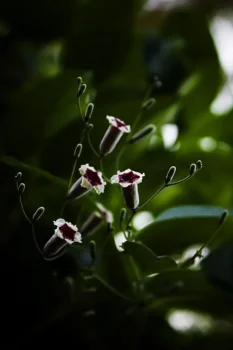
Stinkvine: Why This Invasive Vine Should Stay Out of Your Garden
If you’ve ever encountered a vine with an unfortunate odor when crushed, you might have met stinkvine (Paederia foetida). Also known simply as paederia, this perennial climbing shrub has earned its memorable common name for good reason. While it might seem like an attractive option for quick coverage, this non-native species comes with serious drawbacks that every gardener should know about.
What is Stinkvine?
Stinkvine is a woody, multi-stemmed perennial shrub that typically grows as a vigorous climbing vine. Despite being called a shrub, it behaves more like an aggressive climber, using other plants and structures for support. The plant produces small, fragrant white to pale yellow tubular flowers in clusters, which might seem appealing until you learn about its invasive nature.
You might also see this plant listed under its synonyms Paederia scandans or Paederia scandens, but regardless of the name, it’s the same problematic species.
Where Stinkvine Grows
Originally native to Asia, stinkvine has established itself across several southeastern states in the U.S. You’ll currently find it growing wild in Florida, Georgia, Hawaii, Louisiana, North Carolina, South Carolina, and Texas. This non-native species reproduces spontaneously in the wild without human intervention and tends to persist once established.
- Species observed
- No observations
Why You Should Avoid Planting Stinkvine
Warning: Stinkvine is classified as a Class B noxious weed in Alabama, and for good reason. Here’s why this plant should stay out of your garden:
- Invasive behavior: It spreads aggressively and can quickly overtake native plants
- Difficult to control: Once established, stinkvine is notoriously hard to remove
- Ecological impact: It outcompetes native species that provide better wildlife habitat
- Legal restrictions: It’s regulated as a noxious weed in some areas
Growing Conditions and Hardiness
While we don’t recommend planting stinkvine, understanding its growing preferences can help with identification and removal efforts. This adaptable plant thrives in USDA hardiness zones 7-11 and shows remarkable tolerance for various conditions:
- Soil preference: Adaptable to many soil types
- Light requirements: Grows in partial shade to full sun
- Water needs: Moderate moisture requirements
- Wetland status: Usually occurs in non-wetland areas but may occasionally appear in wetlands (except in Hawaii, where it’s almost exclusively found in upland areas)
Better Native Alternatives
Instead of risking the environmental problems that come with stinkvine, consider these native climbing alternatives for your region:
- For the Southeast: Carolina jessamine, crossvine, or native honeysuckles
- For quick coverage: Native grape species or Virginia creeper
- For fragrant flowers: Native climbing roses or sweet pepperbush
If You Find Stinkvine on Your Property
If you discover stinkvine growing on your property, take action quickly before it becomes established:
- Remove young plants by hand, including all root material
- For established vines, cut stems and treat stumps with appropriate herbicide
- Monitor the area regularly for new growth
- Contact your local extension office for specific removal recommendations
The Bottom Line
While stinkvine might seem like an easy solution for quick coverage, its invasive nature and potential ecological harm make it a poor choice for responsible gardeners. By choosing native alternatives instead, you’ll create a more sustainable landscape that supports local wildlife while avoiding the headaches that come with managing an aggressive invasive species. Your local ecosystem—and your future self—will thank you for making the responsible choice.