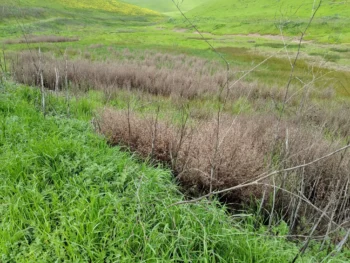
Stinkwort: The Uninvited Garden Guest You Should Know About
If you’ve spotted small yellow flowers with a distinctly pungent smell popping up in your garden or along roadsides in late summer, you’ve likely encountered stinkwort (Dittrichia graveolens). This Mediterranean native has quietly made itself at home in parts of the United States, and while it might not be on your planting wish list, it’s worth understanding what this aromatic annual brings to the table.
What Exactly Is Stinkwort?
Stinkwort is an annual forb—basically a non-woody herbaceous plant that completes its entire life cycle in one growing season. You might also see it listed under its former scientific name, Inula graveolens, but botanists have since moved it to the Dittrichia genus. True to its common name, this plant produces a strong, somewhat unpleasant odor when its leaves are crushed or disturbed.
As a non-native species that reproduces spontaneously in the wild, stinkwort has established itself without any help from gardeners. It’s one of those plants that shows up uninvited and tends to stick around.
Where You’ll Find It
Currently, stinkwort has been documented growing in California, Connecticut, New Jersey, and New York. It seems to prefer disturbed soils and can often be found along roadsides, in vacant lots, and sometimes creeping into garden spaces.
- Species observed
- No observations
What Does Stinkwort Look Like?
This annual herb produces clusters of small, bright yellow daisy-like flowers that bloom in late summer and fall. The flowers are actually quite cheerful-looking, which can be deceiving given the plant’s pungent reputation. The foliage is typically narrow and somewhat sticky, contributing to that characteristic strong smell.
Should You Grow Stinkwort?
Here’s the thing about stinkwort—most gardeners don’t intentionally plant it. It’s more likely to show up on its own, especially in areas with poor or disturbed soil. While the plant does offer some benefits (those late-season flowers can attract pollinators like bees and butterflies when other blooms are scarce), there are much better options for intentional gardening.
Growing Conditions
If stinkwort does appear in your garden, you’ll notice it’s quite the survivor. This plant thrives in:
- Full sun locations
- Poor, dry soils
- Areas with minimal water
- Disturbed or compacted ground
It’s remarkably drought-tolerant and seems to actually prefer neglect over pampering.
Better Native Alternatives
Instead of letting stinkwort take over, consider these native alternatives that offer similar late-season color and pollinator benefits:
- New England Aster (Symphyotrichum novae-angliae) for purple fall blooms
- Goldenrod species (Solidago) for bright yellow flowers
- Wild Bergamot (Monarda fistulosa) for aromatic foliage that actually smells good
- Black-eyed Susan (Rudbeckia) for cheerful yellow daisy-like flowers
Managing Stinkwort in Your Garden
If stinkwort has made itself at home in your space and you’d rather it didn’t, the good news is that as an annual, it won’t come back from the same root system next year. However, it does self-seed readily, so:
- Remove plants before they set seed (typically in fall)
- Improve soil conditions and plant desirable species to outcompete it
- Hand-pull young plants in spring when soil is moist
The Bottom Line
While stinkwort isn’t necessarily harmful to your garden ecosystem, it’s not typically a plant you’d choose for intentional landscaping either. If you encounter it, now you know what you’re dealing with. And if you’re looking to add late-season color and pollinator support to your garden, those native alternatives will serve you (and local wildlife) much better in the long run.
Remember, the best gardens are often those that work with nature rather than against it—and that usually means choosing plants that belong in your local ecosystem from the start.