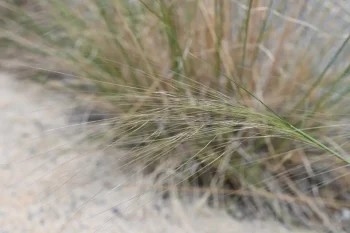
Stipa offneri: The Mysterious Feather Grass
If you’ve stumbled across the name Stipa offneri in your plant research, you’re likely wondering what exactly this grass is and whether it belongs in your garden. Well, you’re not alone in your curiosity – this particular member of the feather grass family is something of an enigma in the gardening world.
What is Stipa offneri?
Stipa offneri is a grass species belonging to the Poaceae family, which makes it a relative of the more commonly known feather grasses. Like other members of the Stipa genus, it’s characterized as a grass or grass-like plant. You might also see it referenced by its synonym, Stipa juncea auct., though this naming can add to the confusion surrounding this species.
Here’s where things get interesting (and a bit frustrating for us plant enthusiasts): reliable information about Stipa offneri is surprisingly scarce. Unlike its better-documented cousins in the feather grass family, this species seems to fly under the radar in most gardening and botanical resources.
The Geographic Mystery
One of the biggest unknowns about Stipa offneri is where it naturally occurs. Without clear documentation of its native range, it’s difficult to determine whether this grass would be appropriate for native plant gardens or specific regional landscapes.
Should You Plant Stipa offneri?
This is where we need to pump the brakes a bit. Given the limited information available about Stipa offneri, including its:
- Unknown growing requirements
- Unclear native status and geographic distribution
- Undocumented hardiness zones
- Unknown ecological benefits
- Uncertain availability in the nursery trade
It’s challenging to recommend this grass for most garden situations. Without knowing its specific needs, growth habits, or potential impact on local ecosystems, planting Stipa offneri could be a shot in the dark.
Better Alternatives: Well-Documented Feather Grasses
If you’re drawn to the idea of feather grasses in your landscape, consider these better-documented alternatives:
- Stipa tenuissima (Mexican Feather Grass) – though check local regulations as it can be invasive in some areas
- Nassella pulchra (Purple Needlegrass) – California’s state grass
- Hesperostipa comata (Needle and Thread Grass) – native to western North America
- Sporobolus heterolepis (Prairie Dropseed) – excellent for prairie-style gardens
These alternatives offer the ornamental appeal of feather grasses while providing documented information about their care requirements, native ranges, and ecological benefits.
The Bottom Line
While Stipa offneri might intrigue the botanically curious among us, the lack of reliable growing information makes it a risky choice for most gardeners. Your time and garden space are better invested in well-documented native grasses that can provide known benefits to both your landscape and local wildlife.
If you’re specifically interested in this species for research purposes or have access to expert guidance, proceed with caution and consider reaching out to botanical institutions or native plant societies for additional guidance.
Sometimes the most responsible gardening choice is knowing when to say maybe not – and Stipa offneri falls into that category until more information becomes available.