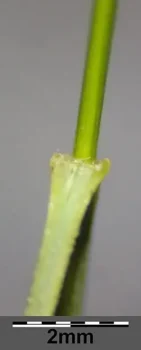
Stipa tirsa: An Elusive Grass with Limited Garden Information
If you’ve stumbled across the name Stipa tirsa while researching native grasses, you’re not alone in finding limited information about this mysterious species. This grass belongs to the feather grass genus, but unlike its more famous cousins, Stipa tirsa remains something of an enigma in the gardening world.
What We Know About Stipa tirsa
Stipa tirsa is classified as a graminoid – that’s gardening speak for grass or grass-like plants. It belongs to the diverse Stipa genus, which includes many ornamental feather grasses beloved by gardeners worldwide. You might also see this species referenced by its synonym, Stipa stenophylla, though both names appear rarely in horticultural literature.
The limited documentation surrounding this species suggests it may originate from Central Asian or Eastern European regions, based on the etymology of its synonymous name. However, concrete information about its native range, appearance, and growing requirements remains scarce.
The Challenge for Home Gardeners
Here’s where things get tricky for anyone hoping to add Stipa tirsa to their garden. The lack of readily available information about this species presents several challenges:
- Unknown native status makes it difficult to determine if it’s appropriate for native plant gardens
- Unclear growing requirements mean successful cultivation is uncertain
- Limited availability in nurseries or seed catalogs
- Unknown hardiness zones and climate preferences
- Uncertain wildlife and pollinator benefits
Better Alternatives for Your Garden
Instead of searching for the elusive Stipa tirsa, consider these well-documented native feather grasses that offer proven garden performance:
- Little Bluestem (Schizachyrium scoparium) – A beautiful native grass with stunning fall color
- Buffalo Grass (Poaceae dactyloides) – Perfect for low-maintenance landscapes
- Purple Needlegrass (Stipa pulchra) – California’s state grass with elegant seed heads
- Mexican Feather Grass (Stipa tenuissima) – Though not native to most areas, widely available and well-documented
What This Means for Native Plant Enthusiasts
The scarcity of information about Stipa tirsa highlights an important point about native gardening: not every species is suited for cultivation, and some plants remain better appreciated in their natural habitats. When choosing plants for your native garden, prioritize well-documented species with known benefits to local ecosystems.
If you’re specifically interested in Stipa species, focus on those with established cultivation guidelines and confirmed native status in your region. Your local native plant society or extension office can provide recommendations for grasses that will thrive in your specific area while supporting local wildlife.
The Bottom Line
While Stipa tirsa may intrigue botanical enthusiasts, its unclear status and limited horticultural information make it an impractical choice for most gardens. Instead, channel your enthusiasm for native grasses toward species with proven track records, clear growing instructions, and documented benefits to pollinators and wildlife. Your garden – and the local ecosystem – will thank you for choosing plants that are both beautiful and well-suited to cultivation.