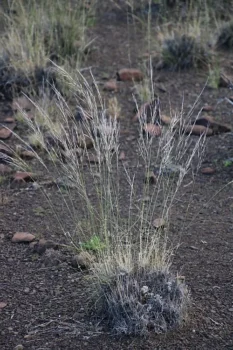
Stipagrostis ciliata: A Drought-Loving Grass for Water-Wise Gardens
If you’re looking for a grass that thrives where others fear to tread – namely, in hot, dry, seemingly impossible growing conditions – then Stipagrostis ciliata might just be your new garden hero. This resilient grass, also known by its synonym Aristida ciliata, hails from some of the world’s most challenging environments and brings that same toughness to your landscape.
What is Stipagrostis ciliata?
Stipagrostis ciliata is a member of the grass family (Poaceae) that’s built for survival in arid conditions. While it doesn’t have a widely recognized common name, this unassuming grass has earned its place in water-wise gardens around the world. Originally from North Africa’s Sahara Desert region and Mediterranean areas, this grass knows how to make the most of very little water.
Why Consider This Desert Survivor?
There’s something undeniably appealing about a plant that asks for almost nothing yet delivers visual interest throughout the growing season. Here’s what makes Stipagrostis ciliata worth considering:
- Exceptional drought tolerance once established
- Attractive feathery seed heads that add texture and movement
- Low maintenance requirements
- Thrives in poor, sandy, or rocky soils where other plants struggle
- Perfect for xeriscaping and Mediterranean-style gardens
Garden Design and Landscape Role
This grass shines in specific garden settings where its drought tolerance and unique texture can be fully appreciated. It works beautifully in:
- Rock gardens and gravel gardens
- Mediterranean-themed landscapes
- Xerophytic plant collections
- Slopes and areas with poor soil drainage
- Contemporary minimalist garden designs
While Stipagrostis ciliata won’t provide significant benefits to pollinators (being wind-pollinated like most grasses), it does offer habitat and cover for small wildlife and can help prevent soil erosion in challenging sites.
Growing Conditions and Care
The beauty of this grass lies in its simplicity. Here’s what it needs to thrive:
- Sunlight: Full sun is essential
- Soil: Well-draining sandy or rocky soil; avoid heavy clay or waterlogged conditions
- Water: Minimal once established; drought-tolerant
- Climate: Best suited for USDA hardiness zones 8-11
Planting and Care Tips
Getting started with Stipagrostis ciliata is refreshingly straightforward:
- Plant in spring when soil has warmed
- Ensure excellent drainage – this grass cannot tolerate wet feet
- Water regularly during establishment, then reduce watering significantly
- No fertilization needed – this grass actually prefers poor soils
- In borderline hardy zones, consider container growing for winter protection
- Cut back old growth in late winter if desired
A Word About Native Alternatives
While Stipagrostis ciliata can be a valuable addition to water-wise gardens, it’s worth considering native grasses that might fulfill a similar role in your landscape. Depending on your region, native bunch grasses or desert grasses might offer comparable drought tolerance while supporting local ecosystems. Research native options in your area – you might discover some fantastic alternatives that are even better adapted to your specific conditions.
The Bottom Line
Stipagrostis ciliata isn’t going to win any awards for flashy flowers or dramatic foliage, but sometimes the most valuable plants are the quiet workhorses that ask for little and deliver reliable performance year after year. If you have a challenging dry spot that needs something interesting and sustainable, this desert grass might be exactly what you’re looking for.
Just remember: this grass plays by desert rules. Give it what it needs (sun and drainage) and avoid what it doesn’t want (too much water and rich soil), and you’ll have a low-maintenance addition that brings a touch of arid elegance to your garden.