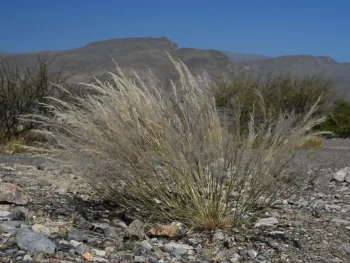
Stipagrostis plumosa: The Feathery Fountain Grass You’ve Never Heard Of
If you’re on the hunt for an ornamental grass that brings both elegance and drought tolerance to your garden, let me introduce you to Stipagrostis plumosa. This lesser-known beauty might not roll off the tongue like fountain grass, but it’s got some serious charm tucked away in those wispy, feathery plumes.
What Exactly Is Stipagrostis plumosa?
Stipagrostis plumosa is a perennial grass that belongs to the Poaceae family – you know, the same gang that includes your lawn grass, though this one’s got way more personality. You might occasionally see it listed under its old scientific name, Aristida plumosa, but don’t let the name game confuse you – it’s the same plant with the same gorgeous, plume-like seed heads that dance in the breeze.
Where Does It Come From?
This grass calls the arid and semi-arid regions of Africa home, particularly thriving in the challenging conditions of North and East Africa. It’s adapted to some pretty tough neighborhoods where water is scarce and the sun doesn’t mess around.
The Look: What’s All the Fuss About?
Picture this: delicate, feathery seed heads that catch the light and sway gracefully with every breeze. The foliage itself is fine-textured and creates a soft, almost ethereal backdrop for those show-stopping plumes. It’s like having your own personal prairie dance performance right in your backyard.
Should You Plant It?
Here’s where things get interesting. While Stipagrostis plumosa can be a stunning addition to the right garden, it’s important to remember that it’s not native to North America. If you’re passionate about supporting local ecosystems (and who isn’t these days?), you might want to consider some fantastic native alternatives first:
- Little bluestem (Schizachyrium scoparium) for similar texture
- Purple three-awn (Aristida purpurea) for that wispy, delicate look
- Buffalo grass (Poaceae dactyloides) for drought tolerance
That said, if you do choose to grow Stipagrostis plumosa and it’s available in your area, it can work beautifully in the right setting.
Perfect Garden Matches
This grass is practically begging to be part of:
- Drought-tolerant xeriscapes
- Mediterranean-inspired landscapes
- Modern, minimalist garden designs
- Naturalistic plantings where movement and texture matter
Growing Conditions: Keep It Simple
The beauty of Stipagrostis plumosa lies in its simplicity. This grass thrives in:
- Sun exposure: Full sun (the more, the better)
- Soil: Well-draining sandy or rocky soils – think desert conditions
- Water: Drought tolerant once established; actually prefers to stay on the dry side
- Climate: Best suited for USDA zones 9-11 where winters are mild
Planting and Care Tips
Ready to give it a go? Here’s your game plan:
- Timing: Plant in spring when the soil starts to warm up
- Watering: Water sparingly – this grass actually resents too much moisture
- Maintenance: Cut back in late winter or early spring before new growth appears
- Fertilizing: Skip it! Rich soils can actually make the plant floppy
Wildlife and Pollinators
While Stipagrostis plumosa won’t attract butterflies like a native wildflower would, it does provide valuable habitat structure for small wildlife and birds who appreciate the cover and nesting material. As a wind-pollinated grass, it’s doing its own thing in terms of reproduction.
The Bottom Line
Stipagrostis plumosa is a gorgeous, low-maintenance grass that can add movement and texture to warm-climate gardens. While it may not be the most eco-friendly choice for North American gardens, it certainly has its place in the right setting. Just remember to consider native alternatives first – your local wildlife will thank you, and you’ll still get that beautiful, drought-tolerant grass look you’re after.
Whether you choose this African beauty or opt for a native alternative, the key is finding a grass that makes you happy every time you look out your window. After all, isn’t that what gardening is all about?