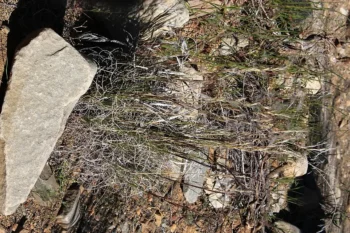
Stipagrostis uniplumis: A Delicate Desert Grass for Dry Gardens
If you’re looking for a graceful grass that can handle serious drought and still look elegant, let me introduce you to Stipagrostis uniplumis. This lesser-known ornamental grass might not have a catchy common name, but it certainly makes up for it with its understated beauty and impressive resilience.
What Makes This Grass Special?
Stipagrostis uniplumis is a member of the grass family (Poaceae) that produces delicate, feathery plumes that dance in the slightest breeze. You might also see it listed under its former scientific name, Aristida uniplumis, but don’t let the name changes fool you – this is one tough little grass with serious ornamental appeal.
Where Does It Come From?
This drought-loving grass hails from the arid regions of southern Africa, particularly South Africa and Namibia. It’s perfectly adapted to harsh, dry conditions where many other plants simply can’t survive. In its native habitat, it grows in sandy soils and can handle months without significant rainfall.
Why Consider Growing Stipagrostis uniplumis?
Here’s what makes this grass worth considering for your garden:
- Exceptional drought tolerance once established
- Delicate, ornamental plumes that add movement to the landscape
- Low maintenance requirements
- Works well in xerophytic and Mediterranean-style gardens
- Interesting texture contrast in mixed plantings
Garden Design Ideas
Stipagrostis uniplumis shines in several garden settings. It’s perfect as an accent grass in rock gardens, where its fine texture creates beautiful contrast against broader-leafed succulents. In desert-themed landscapes, it adds that authentic touch of wild grassland. The grass also works wonderfully in contemporary, minimalist designs where its architectural form can be appreciated.
Consider using it in naturalistic plantings or as part of a water-wise garden design. Its feathery plumes catch light beautifully, making it an excellent choice for areas where you want to add visual interest without overwhelming other plants.
Growing Conditions and Care
This grass is refreshingly easy to grow if you can provide the right conditions:
- Sunlight: Full sun is essential for best growth and flowering
- Soil: Well-draining, sandy soil is ideal; avoid heavy clay or waterlogged conditions
- Water: Drought tolerant once established; actually prefers dry conditions
- Climate: Best suited for USDA zones 9-11
Planting and Care Tips
Getting Stipagrostis uniplumis established is straightforward, but there are a few key points to remember:
- Plant in spring after the last frost
- Ensure excellent drainage – this grass hates wet feet
- Water sparingly during establishment, then reduce to minimal watering
- Avoid fertilizing, as rich soils can make the plant too lush and less drought tolerant
- Trim back old growth in late winter if desired
A Word About Native Alternatives
While Stipagrostis uniplumis isn’t native to North America, it’s not considered invasive either. However, if you’re passionate about supporting local ecosystems, consider native alternatives like buffalo grass (Poëceae dactyloides) for shorter areas, or little bluestem (Schizachyrium scoparium) for a similar ornamental grass effect. These natives will provide better support for local wildlife while offering comparable drought tolerance.
Wildlife Considerations
As a wind-pollinated grass, Stipagrostis uniplumis doesn’t offer significant benefits to pollinators like bees and butterflies. However, some seed-eating birds may appreciate the seed heads, and the grass structure can provide minor habitat value for small creatures.
Is This Grass Right for You?
Stipagrostis uniplumis is an excellent choice if you’re gardening in a hot, dry climate and want an ornamental grass that won’t demand constant attention. It’s particularly suited for gardeners who appreciate subtle beauty and are working with water-wise landscaping principles. Just remember that this grass thrives on neglect rather than pampering – sometimes the best thing you can do is simply leave it alone to do its thing.