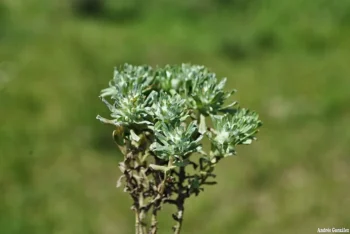
Straitjackets (Micropsis): A Mysterious Annual Worth Knowing About
If you’ve stumbled across the name Straitjackets in your plant research, you’ve discovered one of the more enigmatic members of the botanical world. Micropsis, known by this rather unusual common name, is an annual forb that has quietly established itself in parts of Texas. While this little-known plant might spark curiosity, there’s quite a bit of mystery surrounding it that every gardener should understand.
What Exactly is Micropsis?
Micropsis belongs to the category of plants we call forbs – essentially herbaceous plants that lack significant woody tissue. Think of them as the non-grassy ground-level plants in prairies and meadows. As an annual, Micropsis completes its entire life cycle within a single growing season, sprouting, flowering, setting seed, and dying all within one year.
The plant’s common name Straitjackets is certainly memorable, though the origin of this peculiar moniker remains unclear. Sometimes the most interesting plants have the most mysterious backstories!
Native Status and Distribution
Here’s where things get interesting from a native gardening perspective: Micropsis is not native to North America. It’s what botanists call an introduced species that has managed to establish itself and reproduce without human assistance. Currently, it’s been documented growing wild in Texas, where it has apparently found suitable conditions to persist.
- Species observed
- No observations
The Challenge for Gardeners
If you’re considering adding Micropsis to your garden, you’ll face a significant challenge: there’s remarkably little information available about this plant’s specific needs, appearance, or garden performance. This lack of documentation raises several important considerations:
- Unknown growing requirements make successful cultivation difficult
- Unclear invasive potential means uncertain environmental impact
- Limited availability through typical garden channels
- No established track record for garden performance
Why Native Alternatives Make More Sense
When faced with such an enigmatic non-native plant, the wise gardener often turns to well-documented native alternatives. Texas boasts an incredible diversity of native annual forbs that offer:
- Proven garden performance
- Clear growing guidelines
- Known wildlife and pollinator benefits
- Environmental harmony with local ecosystems
Consider exploring native Texas annuals like bluebonnets (Lupinus texensis), Indian blanket (Gaillardia pulchella), or plains coreopsis (Coreopsis tinctoria). These well-studied natives offer the reliability and ecological benefits that mysterious introduced species simply cannot guarantee.
The Bottom Line
While Micropsis might intrigue plant enthusiasts with its unusual name and mysterious nature, it’s not the best choice for most gardeners. The combination of its non-native status, limited documentation, and unknown garden performance makes it a risky investment of time and garden space.
Instead, embrace the wealth of well-documented native plants that will provide reliable beauty, clear growing guidelines, and meaningful ecological benefits. Your garden – and local wildlife – will thank you for choosing plants with proven track records over botanical mysteries.
Sometimes the most responsible gardening decision is knowing when to say thanks, but no thanks to a plant that raises more questions than it answers.