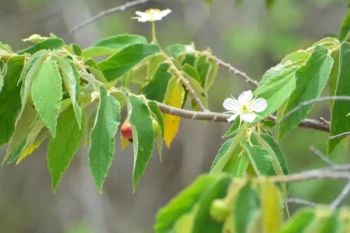
Strawberry Tree: A Fast-Growing Tropical Charmer for Warm Climate Gardens
Looking for a quick-growing tree that’ll give you shade, flowers, and fruit all in one package? Meet the strawberry tree (Muntingia calabura), a tropical charmer that’s been making itself at home in warm regions across the United States. While it’s not native to our shores, this adaptable tree has certainly found its groove in places like Florida, California, and Hawaii.
What Exactly Is a Strawberry Tree?
Don’t let the name fool you – this isn’t the strawberry tree you might be thinking of! Muntingia calabura is a perennial shrub that can grow into a small tree, typically reaching heights of 13 to 16 feet, though it can sometimes stretch taller under the right conditions. It’s a multi-stemmed woody plant that spreads out nicely, creating a lovely canopy perfect for providing shade in your garden.
This tree is a real overachiever – it produces delicate white flowers that attract bees and other pollinators, followed by small red berries that give it its common name. The whole package grows remarkably fast, which is both a blessing and something to keep in mind when planning your landscape.
Where Does It Come From and Where Does It Grow?
Originally hailing from tropical America (stretching from Mexico down to Argentina), the strawberry tree has become a naturalized resident in several U.S. states and territories. You’ll find it thriving in California, Florida, Hawaii, as well as in Guam, Palau, and Puerto Rico. It’s what botanists call a non-native species – meaning it was introduced from somewhere else but has successfully established itself and reproduces on its own in the wild.
- Species observed
- No observations
The Good, The Not-So-Good, and What You Should Know
Here’s the thing about strawberry trees – they’re incredibly easy to please, which can be both wonderful and a bit of a concern. On the positive side, this means:
- Extremely fast growth (perfect if you need quick shade or privacy)
- Beautiful white flowers that attract pollinators
- Edible berries (though they’re quite small)
- Drought tolerance once established
- Low maintenance requirements
However, this adaptability means the tree can sometimes be a little too successful, potentially crowding out other plants if not managed properly.
Growing Conditions and Care
If you’re in USDA hardiness zones 9b through 11, you’re in strawberry tree territory! These trees are remarkably unfussy about their growing conditions:
- Light: Full sun to partial shade (they’re not picky)
- Soil: Well-draining soil is preferred, but they’ll adapt to various soil types
- Water: Regular watering when young, then quite drought tolerant
- Wetland status: Prefers upland conditions and rarely occurs in wetlands
Planting and Care Tips
Growing a strawberry tree is refreshingly straightforward:
- Plant in spring after the last frost
- Give it plenty of space – remember, it likes to spread
- Water regularly during the first year to help establish roots
- Minimal fertilizing needed – these trees aren’t demanding
- Pruning can help maintain shape and size if desired
- Keep an eye on seedlings, as the tree can self-seed readily
Should You Plant One?
The strawberry tree can be a great addition to tropical and subtropical gardens, especially if you’re looking for fast shade or an ornamental specimen that doesn’t require babying. Its flowers do provide benefits for pollinators, and the berries can attract birds.
However, since it’s not native to the United States, you might want to consider some beautiful native alternatives that could provide similar benefits while supporting local ecosystems. Depending on your location, native options might include species like redbud, serviceberry, or other regional shade trees that offer flowers, wildlife benefits, and that satisfying fast growth you’re after.
If you do choose to plant a strawberry tree, just keep an eye on it to ensure it doesn’t become overly aggressive in your particular garden setting. With a little attention, it can be a delightful addition that brings quick beauty and function to your landscape.