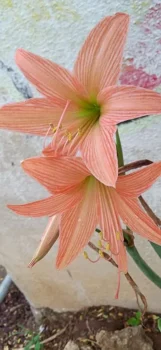
Striped Barbados Lily: A Showy Bloomer for Warm Climate Gardens
Looking for a dramatic flowering bulb that can stop traffic with its stunning blooms? Meet the striped Barbados lily (Hippeastrum striatum), a perennial bulb that produces some of the most eye-catching flowers you’ll find in warm climate gardens. While it’s not native to the United States, this South American beauty has found a comfortable home in Hawaii and other tropical regions.
What Is the Striped Barbados Lily?
The striped Barbados lily is a bulbous perennial that belongs to the amaryllis family. Don’t let the scientific name intimidate you – this plant is all about putting on a spectacular show with minimal fuss. As a forb (basically a non-woody flowering plant), it emerges from underground bulbs to produce tall flower stalks topped with trumpet-shaped blooms that are typically white with striking pink or red stripes.
You might also see this plant listed under its botanical synonym Amaryllis striatum, but regardless of what you call it, the wow factor remains the same.
Where Does It Grow?
Originally hailing from South America (specifically Argentina, Uruguay, and southern Brazil), the striped Barbados lily has naturalized in Hawaii, where it grows and reproduces on its own in the wild. It’s established itself as a non-native species that persists without human intervention in these tropical conditions.
- Species observed
- No observations
Should You Plant It in Your Garden?
If you live in USDA hardiness zones 9-11, the striped Barbados lily can be a stunning addition to your landscape. Here’s what makes it appealing to gardeners:
- Large, showy flowers that make excellent cut flowers
- Relatively low maintenance once established
- Attracts hummingbirds and butterflies with its nectar
- Can be grown in containers in cooler climates
- Usually occurs in non-wetland areas, making it suitable for typical garden conditions
However, since this isn’t a native plant, consider exploring native alternatives that provide similar aesthetic appeal while supporting local ecosystems. Native lilies and other bulbous plants in your region might offer comparable beauty with added ecological benefits.
Growing Conditions and Care
The striped Barbados lily is surprisingly adaptable, but it does have some preferences:
- Light: Partial to full sun
- Soil: Well-draining soil is crucial – soggy conditions will rot the bulbs
- Water: Moderate water during the growing season, but allow it to dry out during dormancy
- Climate: Thrives in zones 9-11, but can be grown as a container plant in cooler areas
Planting and Care Tips
Getting the most out of your striped Barbados lily isn’t complicated, but timing and technique matter:
- Plant bulbs in fall for spring blooms
- Choose a location with good drainage – raised beds work well
- Plant bulbs with the neck slightly above soil level
- Water regularly during active growth but reduce watering after flowering
- Allow foliage to die back naturally – it’s feeding the bulb for next year’s show
- In cooler zones, grow in containers and bring indoors for winter
Garden Design Ideas
The striped Barbados lily works beautifully as:
- A specimen plant where its dramatic blooms can be the star
- Part of a mixed border with other tropical plants
- Container plantings for patios and decks
- Cut flower gardens
The Bottom Line
While the striped Barbados lily isn’t native to the United States, it can be a stunning addition to warm climate gardens when grown responsibly. Its spectacular blooms and relatively easy care make it appealing to gardeners looking for dramatic seasonal color. Just remember to consider native alternatives that might provide similar beauty while supporting local wildlife and ecosystems. Whether you choose native or non-native plants, the key is creating a garden that brings you joy while being mindful of your local environment.