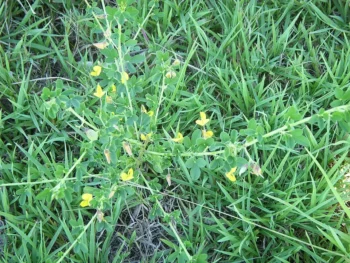
Stylosanthes guianensis: A Tropical Ground Cover for Warm Climate Gardens
If you’re gardening in tropical or subtropical regions and looking for a low-maintenance ground cover, you might have encountered Stylosanthes guianensis. This small leguminous plant has made its way from its South American origins to various tropical locations around the world, including some Pacific islands.
What Is Stylosanthes guianensis?
Stylosanthes guianensis is a low-growing tropical plant belonging to the pea family (Fabaceae). While it doesn’t have a widely recognized common name, this little powerhouse is known for its ability to fix nitrogen in the soil and provide ground coverage in challenging growing conditions.
Originally native to tropical South America, particularly the Guianas region, this species has been introduced to various tropical locations worldwide. In the Pacific Basin, it has established itself in places like Guam and Palau, where it reproduces naturally without human intervention.
- Species observed
- No observations
Appearance and Growth Characteristics
This plant presents itself as a modest but useful addition to tropical landscapes. Key features include:
- Small compound leaves that give it a delicate, fern-like appearance
- Tiny yellow-orange flowers that appear throughout the growing season
- Low-growing, spreading habit that makes it excellent for ground cover
- Ability to thrive in poor soils due to its nitrogen-fixing capabilities
Growing Conditions and Care
Stylosanthes guianensis is surprisingly easy to grow if you can provide the right climate conditions:
- Climate: Thrives in USDA zones 10-11, requiring consistently warm temperatures
- Sun exposure: Performs best in full sun locations
- Soil: Prefers well-drained soils but adapts to various soil types
- Water: Drought tolerant once established, requiring minimal irrigation
- Maintenance: Very low maintenance once established
Landscape Uses
This plant works well in several garden situations:
- Ground cover for slopes and areas prone to erosion
- Naturalized garden areas where a wild, informal look is desired
- Soil improvement projects due to its nitrogen-fixing abilities
- Low-maintenance tropical landscaping
Pollinator and Wildlife Benefits
While small, the flowers of Stylosanthes guianensis do provide nectar for tiny pollinators like small bees and butterflies. However, since this is a non-native species in most locations where it’s grown, it may not provide the same level of support for local wildlife as native alternatives would.
Important Considerations
Before adding this plant to your garden, keep these factors in mind:
- It’s classified as an obligate upland plant, meaning it almost never occurs in wetlands
- As a non-native species, it may not support local wildlife as effectively as indigenous plants
- It can self-seed readily, so monitor its spread if that’s a concern in your area
- Consider native ground cover alternatives that might better support your local ecosystem
Should You Plant It?
Stylosanthes guianensis can be a practical choice for tropical gardeners dealing with poor soils or challenging growing conditions. Its low maintenance requirements and soil-improving qualities make it appealing for certain situations. However, since it’s not native to most areas where it’s grown, consider exploring native ground cover options first – they’ll often provide better support for local wildlife and may be better adapted to your specific regional conditions.
If you do choose to grow this plant, it’s relatively straightforward to establish from seed and requires minimal ongoing care once settled in your garden.