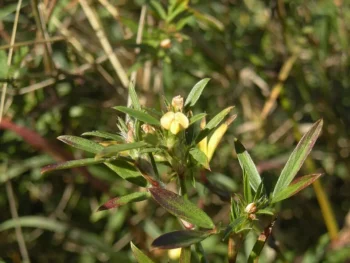
Stylosanthes sundaica: The Mystery Plant That’s Hard to Pin Down
If you’ve stumbled across the name Stylosanthes sundaica while researching plants for your garden, you might be scratching your head trying to find solid information about it. You’re not alone! This particular plant name presents quite the puzzle in the gardening world.
What We Know (And Don’t Know)
Stylosanthes sundaica belongs to the legume family, making it a relative of beans, peas, and other nitrogen-fixing plants. However, here’s where things get tricky – reliable, specific information about this exact species is remarkably scarce in botanical literature and gardening resources.
The genus Stylosanthes includes several species commonly known as pencil flowers or stylos, which are typically found in tropical and subtropical regions. These plants are generally valued for their ability to fix nitrogen in the soil and their potential as forage crops, but without clear documentation, we can’t make specific claims about S. sundaica.
The Geographic Mystery
While the name sundaica suggests a connection to the Sunda region of Southeast Asia, the exact native range and distribution of this species remains unclear from available sources.
Should You Plant It?
Here’s our honest take: without reliable information about Stylosanthes sundaica’s growth habits, care requirements, and ecological impact, we can’t recommend it for your garden. When it comes to adding plants to your landscape, it’s always better to choose species with well-documented characteristics and proven garden performance.
Better Alternatives
If you’re interested in leguminous plants that fix nitrogen and support pollinators, consider these well-documented options instead:
- Wild lupine (Lupinus perennis) – beautiful spikes of blue flowers
- Partridge pea (Chamaecrista fasciculata) – cheerful yellow blooms
- Wild senna (Senna hebecarpa) – tall with bright yellow flowers
- White wild indigo (Amorpha fruticosa) – native shrub with purple flower spikes
The Importance of Plant ID
This situation highlights why proper plant identification is so crucial. Sometimes plant names get mixed up, misapplied, or refer to varieties that aren’t well-documented. Before adding any plant to your garden, especially one you can’t find much information about, it’s worth double-checking with:
- Your local extension office
- Native plant societies
- Reputable botanical databases
- Experienced local gardeners
The Bottom Line
While Stylosanthes sundaica might sound intriguing, the lack of reliable growing information makes it a risky choice for your garden. Instead, focus on well-documented native plants that will give you predictable results and proven benefits for local wildlife. Your garden (and your sanity) will thank you for choosing plants with clear care instructions and known performance records!
Remember, there are plenty of amazing, well-documented native plants waiting to fill that spot in your garden. Why gamble on a mystery when you could plant something you know will thrive?