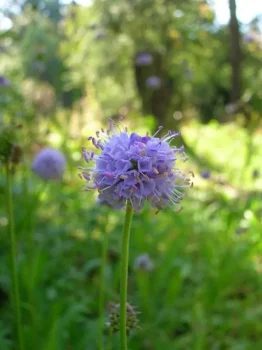
Succisella: Understanding This Lesser-Known Perennial Forb
If you’ve stumbled across the name Succisella in your gardening adventures, you’re probably wondering what exactly this plant is and whether it belongs in your garden. Let’s dive into what we know about this somewhat mysterious perennial forb and help you decide if it’s right for your landscape.
What Is Succisella?
Succisella is a perennial forb, which simply means it’s an herbaceous plant that lives for more than two years and doesn’t develop woody stems above ground. Think of it as a cousin to your favorite wildflowers – it dies back in winter but returns each spring from its root system. As a forb, Succisella produces flowers and maintains its growing points at or below ground level, making it quite hardy through seasonal changes.
Native Status and Where It Grows
Here’s something important to know upfront: Succisella isn’t native to North America. This European transplant has established itself in several regions across Canada and the United States, where it now reproduces on its own in the wild. You’ll find it growing in Ontario and Quebec in Canada, and in several northeastern U.S. states including Connecticut, Massachusetts, Michigan, New York, and Pennsylvania.
- Species observed
- No observations
Should You Plant Succisella in Your Garden?
This is where things get a bit tricky. Since Succisella is non-native and detailed information about its garden performance is limited, you might want to pause before adding it to your shopping list. While it’s not currently listed as invasive or problematic, its ability to naturalize and spread in the wild suggests it’s quite adaptable – which could be good or concerning, depending on your perspective.
If you’re passionate about supporting local ecosystems, consider exploring native alternatives that provide similar aesthetic appeal while offering proven benefits to local wildlife and pollinators. Your local native plant society or extension office can suggest fantastic native forbs that thrive in your specific area.
Growing Conditions and Care
Unfortunately, specific growing information for Succisella as a genus is quite limited. However, given its ability to establish and persist in various northeastern climates, it likely prefers:
- Moderate moisture levels
- Well-draining soil
- Partial to full sun exposure
- Cool to moderate temperatures
As with any perennial forb, it would benefit from basic care like occasional watering during dry spells and perhaps some compost worked into the soil at planting time.
The Bottom Line
Succisella remains something of an enigma in the gardening world. While it’s clearly hardy enough to thrive in northeastern North America, the lack of detailed horticultural information makes it a bit of a gamble for home gardeners. If you’re committed to trying it, approach it with caution and monitor its behavior in your garden.
For most gardeners, especially those interested in supporting native ecosystems, exploring native forb alternatives would be a more rewarding choice. Native plants come with the added benefits of supporting local wildlife, requiring less maintenance once established, and contributing to the health of your local environment.
When in doubt, consult with your local native plant experts – they’ll have fantastic suggestions for beautiful, beneficial plants that are perfectly suited to your specific corner of the world.