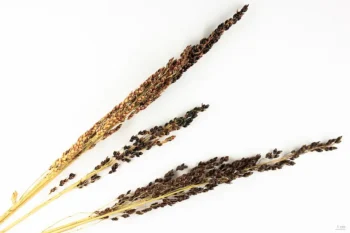
Sudex: Understanding This Agricultural Hybrid and Native Alternatives for Your Garden
If you’ve come across the name Sudex or its scientific designation Sorghum bicolor var. bicolor × bicolor var. sudanense, you might be wondering whether this grass belongs in your native garden. Let’s clear up some confusion about this plant and explore better options for native gardening enthusiasts.
What is Sudex?
Sudex, also known as sorghum-sudangrass, appears to be a hybrid designation between different varieties of grain sorghum. This annual grass is primarily known in agricultural circles rather than native gardening communities. The × symbol in its scientific name indicates it’s a hybrid, typically created for forage and agricultural purposes rather than ecological restoration or native landscaping.
The Native Status Question
Here’s where things get tricky for native plant enthusiasts: this particular plant isn’t native to North America. Sorghum species originate from Africa, and while some have naturalized in parts of North America, they don’t provide the same ecological benefits as our indigenous grasses.
Why Native Gardeners Should Look Elsewhere
While Sudex isn’t necessarily invasive or harmful, it’s not the best choice for native plant gardens because:
- It lacks the deep ecological relationships with native wildlife that our indigenous grasses provide
- It’s primarily bred for agricultural use, not wildlife habitat or ecosystem support
- Native alternatives offer superior benefits for pollinators and local fauna
Better Native Alternatives
Instead of Sudex, consider these fantastic native grass options that will truly benefit your local ecosystem:
- Big Bluestem – A stunning prairie grass that provides excellent habitat
- Little Bluestem – Perfect for smaller spaces with beautiful fall color
- Buffalo Grass – A low-maintenance option for arid regions
- Switch Grass – Excellent for erosion control and bird habitat
Making the Right Choice for Your Garden
When selecting grasses for your landscape, prioritizing native species ensures you’re creating habitat that truly supports local wildlife, from beneficial insects to songbirds. Native grasses have evolved alongside local ecosystems for thousands of years, making them far more valuable for biodiversity than agricultural hybrids like Sudex.
Your garden can be a powerful tool for conservation when you choose plants that belong in your local ecosystem. Skip the agricultural varieties and embrace the beauty and ecological benefits of your region’s native grasses – your local wildlife will thank you!