Growing Sugarcane in Your Garden: What You Need to Know
Ever thought about growing your own sugarcane? While Saccharum officinarum might seem like an exotic choice for home gardeners, this towering grass can actually make quite a statement in the right setting. Let’s explore whether this sweet giant belongs in your landscape and how to grow it successfully if you decide to take the plunge.
What Exactly Is Sugarcane?
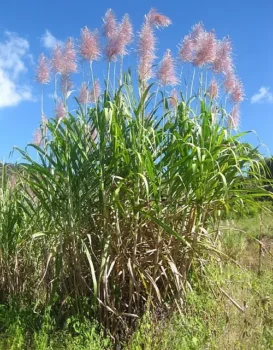
Sugarcane is a perennial grass that can reach impressive heights of up to 12 feet tall. Despite its common association with commercial sugar production, it’s essentially a very large, very sweet member of the grass family. The plant forms dense clumps with thick, jointed canes and long, green leaves that create a lush, tropical appearance.
This semi-erect grass has a rapid growth rate and dense foliage year-round, making it quite the showstopper when it reaches maturity. The canes are green with visible joints, and while the plant can produce small white flowers, they’re not particularly showy in the landscape.
Where Does Sugarcane Grow Naturally?
Here’s the thing about sugarcane – it’s not actually native to the United States. This plant has been introduced and now grows wild in several southern states including Alabama, Florida, Louisiana, Mississippi, and Texas. You’ll also find it established in U.S. territories like Puerto Rico, the Virgin Islands, Guam, and Palau.
- Species observed
- No observations
Since it’s a non-native species, you might want to consider native alternatives that can provide similar aesthetic appeal while supporting local ecosystems. Native grasses like Eastern Gamagrass or Giant Plumegrass can offer impressive height and texture without the ecological concerns.
Is Sugarcane Right for Your Garden?
Sugarcane works best as a specimen plant or natural screen in large landscapes. Here’s what to consider:
- Space requirements: These plants need room to spread and can form substantial clumps
- Climate needs: Only suitable for USDA zones 9-11, requiring a minimum of 365 frost-free days
- Water requirements: Moderate to high water needs, especially during active growth
- Aesthetic impact: Creates a bold, tropical look that works well in contemporary or tropical-themed gardens
Growing Conditions and Care
If you’re set on growing sugarcane, here’s what it needs to thrive:
Soil: Surprisingly adaptable! Sugarcane tolerates coarse, medium, and fine-textured soils with a pH range from 4.0 to 7.0. It prefers fertile, well-draining soil but can handle moderate salinity.
Sun and Water: Full sun to partial shade works, though it performs best with plenty of sunshine. The plant has high drought tolerance once established but grows fastest with consistent moisture.
Temperature: This is the deal-breaker for many gardeners. Sugarcane needs warm temperatures year-round and can only tolerate temperatures down to about 17°F briefly.
Planting and Propagation
The good news? Sugarcane is relatively easy to propagate. You can start new plants from:
- Seed (though this is slow and seeds have low vigor)
- Cane cuttings with nodes
- Sod pieces
- Underground tubers
Plant density should be somewhere between 4,800 to 11,000 plants per acre, depending on your goals. For home gardens, one or two clumps are usually plenty!
Maintenance and Harvesting
Sugarcane is refreshingly low-maintenance once established. The plant has high fire tolerance and good regrowth ability after cutting. If you’re growing it for the novelty of homemade sugar or just want to manage its size, harvest the canes before the flowering period in late winter.
The plant’s moderate lifespan means you’ll need to replant every few years, but the rapid growth rate means you won’t wait long for impressive results.
Wildlife and Environmental Considerations
While sugarcane doesn’t offer significant benefits to native wildlife or pollinators, it’s also not considered invasive in most areas where it grows. However, as a responsible gardener, you might want to consider native alternatives that provide similar aesthetic appeal while supporting local bird and insect populations.
Some excellent native alternatives include:
- Eastern Gamagrass (Tripsacum dactyloides) for similar height and texture
- Giant Plumegrass (Saccharum giganteum) for a related native species
- Indiangrass (Sorghastrum nutans) for ornamental grass appeal
The Bottom Line
Sugarcane can be a fun, educational addition to warm-climate gardens, especially if you’re interested in tropical aesthetics or want to try your hand at sugar-making. Just make sure you have the space, climate, and commitment it requires. And remember – sometimes the most rewarding gardens are those that celebrate and support native plant communities alongside our more exotic choices.