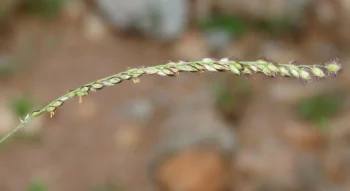
Summergrass: What You Need to Know About This Non-Native Annual
If you’ve spotted a delicate, fine-textured grass popping up in your garden or local naturalized areas, you might be looking at summergrass (Alloteropsis cimicina). This annual grass has quietly made itself at home in parts of the southeastern United States, though it’s not exactly what you’d call a garden showstopper.
The Basics: What Is Summergrass?
Summergrass is a non-native annual grass that belongs to the Poaceae family. Originally hailing from Africa and other tropical regions, this adaptable little grass has established itself in the wild across Florida, Maryland, and Mississippi. You might also see it listed under its scientific synonym, Coridochloa cimicina, in older botanical references.
Where You’ll Find It
Currently, summergrass has naturalized in three states: Florida, Maryland, and Mississippi. It reproduces on its own without human intervention and has shown it can persist in these areas year after year, even though individual plants live for just one growing season.
- Species observed
- No observations
What Does It Look Like?
As an annual grass, summergrass completes its entire life cycle in one growing season. It’s characterized by its fine, delicate texture typical of many grasses in the Poaceae family. While not particularly showy, it has that understated charm that some grass enthusiasts appreciate – though most gardeners encounter it more as a curious volunteer than an intentional planting.
Growing Conditions and Hardiness
Summergrass thrives in warm, humid climates and appears to be hardy in USDA zones 8-11, based on where it’s currently established. It’s quite adaptable when it comes to soil types, which explains how it’s managed to naturalize successfully in diverse southeastern environments.
Should You Plant Summergrass in Your Garden?
Here’s the thing about summergrass – while it’s not classified as invasive or noxious, it’s also not typically sought after for ornamental purposes. Most gardeners who encounter it find it growing on its own rather than deliberately planting it. If you’re looking to add grasses to your landscape, you’ll likely find much more rewarding options.
Better Native Alternatives
Instead of summergrass, consider these native grass options that will provide more ecological benefits and visual interest:
- Little bluestem (Schizachyrium scoparium) – beautiful fall color and wildlife value
- Buffalo grass (Poaceae family natives) – excellent for natural landscapes
- Native sedges – provide habitat and are often more interesting visually
- Regional bunch grasses – support local ecosystems and pollinators
Wildlife and Ecological Impact
As a wind-pollinated grass, summergrass doesn’t offer much in the way of pollinator support. Its ecological role in its naturalized range is still being understood, but native grasses will always provide better habitat and food sources for local wildlife.
The Bottom Line
Summergrass is one of those plants that’s more interesting from a botanical perspective than a gardening one. While it’s not causing major ecological problems, it’s also not bringing much to the party in terms of beauty or wildlife benefits. If you spot it growing wild, you can appreciate it as part of our ever-changing naturalized flora – but when it comes to choosing plants for your garden, you’ll find much better options among our native grass species.
Remember, the best gardens support local ecosystems while providing beauty and interest throughout the seasons. Native plants are almost always your best bet for creating a landscape that’s both gorgeous and ecologically valuable.