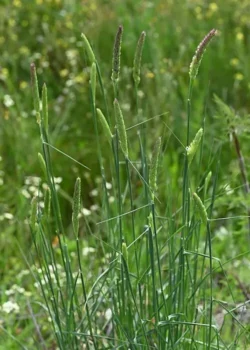
Sunolgrass: A Mediterranean Beauty in California Gardens
If you’ve ever wandered through California’s grasslands and spotted an elegant grass with subtle blue-green tones swaying in the breeze, you might have encountered sunolgrass. This perennial grass has quietly made itself at home in the Golden State, bringing a touch of Mediterranean charm to our landscapes.
What is Sunolgrass?
Sunolgrass (Phalaris coerulescens) is a perennial grass that originally hails from the Mediterranean region, particularly North Africa. You might also see it listed under its synonym Phalaris caerulescens in some older gardening references. As part of the grass family, it shares characteristics with other familiar grasses, sedges, and rushes that add texture and movement to our gardens.
Where Does Sunolgrass Grow?
In the United States, sunolgrass has established itself in California, where the Mediterranean-like climate suits its preferences perfectly. This non-native species has naturalized in the state, meaning it reproduces on its own without human intervention and has become part of the local landscape mosaic.
- Species observed
- No observations
Should You Plant Sunolgrass in Your Garden?
Here’s where things get interesting. Sunolgrass occupies a unique middle ground in the gardening world. While it’s not native to California, it hasn’t been flagged as problematic like some other introduced species. However, as environmentally conscious gardeners, we always want to consider our options carefully.
The Case for Sunolgrass
- Attractive blue-green foliage adds visual interest
- Low maintenance once established
- Drought tolerant, perfect for water-wise gardens
- Provides texture and movement in landscape designs
- Thrives in Mediterranean-style gardens
Things to Consider
- As a non-native species, it doesn’t provide the same ecological benefits as native grasses
- Can self-seed readily, which may or may not align with your garden goals
- Limited value for local pollinators since it’s wind-pollinated
Native Alternatives to Consider
If you’re leaning toward supporting local ecosystems, California offers some stunning native grass alternatives. Consider purple needlegrass (Stipa pulchra), California’s state grass, or the elegant nodding needlegrass (Stipa cernua). These natives provide similar aesthetic appeal while supporting local wildlife and pollinators.
Growing Sunolgrass Successfully
If you decide sunolgrass fits your garden vision, here’s how to help it thrive:
Ideal Growing Conditions
- Well-draining soil is essential
- Full sun to partial shade
- USDA hardiness zones 8-10
- Drought tolerant once established
Planting and Care Tips
- Plant in spring or fall for best establishment
- Water regularly during the first growing season
- Once established, it requires minimal supplemental watering
- Cut back in late winter to encourage fresh growth
- Monitor for self-seeding if you prefer controlled spread
Design Ideas
Sunolgrass works beautifully in Mediterranean-themed gardens, drought-tolerant landscapes, and naturalized areas. Its fine texture contrasts nicely with broader-leafed plants, and its subtle coloring provides a calming backdrop for more colorful flowering plants. Consider pairing it with lavender, rosemary, or California poppies for a stunning combination.
The Bottom Line
Sunolgrass represents one of those garden plants that sits comfortably in the it’s complicated category. While not native, it’s adapted well to California conditions and can be a lovely addition to the right garden setting. The key is making an informed choice based on your gardening goals, whether that’s supporting native ecosystems or creating a beautiful, low-maintenance landscape. Whatever you choose, your garden will benefit from thoughtful plant selection and proper care.