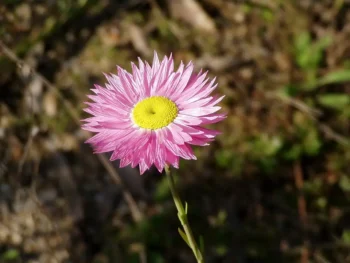
Sunray (Rhodanthe): A Delicate Annual for Cutting Gardens
If you’re looking for a charming annual that doubles as both a garden beauty and a stellar cut flower, sunray might just be your new favorite plant. This delicate Australian native has found its way into American gardens, particularly in California, where it thrives in Mediterranean-style landscapes.
What Exactly is Sunray?
Sunray, scientifically known as Rhodanthe, is a graceful annual forb that belongs to the daisy family. As a forb, it’s a non-woody vascular plant that completes its entire life cycle in one growing season. Don’t let its delicate appearance fool you – this little charmer is tougher than it looks and produces masses of papery, everlasting flowers that seem to shimmer in the garden breeze.
Where Does Sunray Call Home?
Originally hailing from Australia (particularly Western Australia), sunray is considered a non-native species in the United States. It has established itself in California, where it reproduces spontaneously in the wild and tends to persist without human intervention. While it’s not native to North America, it’s not currently listed as invasive or noxious in most areas.
- Species observed
- No observations
The Visual Appeal: Why Gardeners Love Sunray
Sunray’s charm lies in its delicate, papery flowers that come in soft shades of pink, white, and yellow. These daisy-like blooms have an almost ethereal quality, catching light beautifully and adding a whimsical touch to any garden space. The flowers have that coveted everlasting quality, making them perfect for fresh bouquets that transition seamlessly into dried arrangements.
Garden Roles and Perfect Spots
This versatile annual shines in several garden settings:
- Cutting gardens: Its long stems and excellent keeping quality make it a cut flower superstar
- Mediterranean landscapes: Perfectly suited to drought-tolerant garden designs
- Cottage gardens: Adds that informal, romantic charm cottage gardeners adore
- Wildflower meadows: Naturalizes beautifully in informal plantings
- Container gardens: Works wonderfully in pots and planters
Growing Conditions: What Sunray Needs to Thrive
Sunray is refreshingly easy to please. Here’s what it loves:
- Sunlight: Full sun is essential for best flowering
- Soil: Well-draining soil is crucial – it absolutely hates wet feet
- Water: Drought tolerant once established, requiring minimal irrigation
- Climate: Thrives in USDA zones 9-11, but can be grown as an annual in cooler zones
Planting and Care Tips
Growing sunray successfully is surprisingly straightforward:
- Seeding: Direct sow seeds in spring after the last frost
- Spacing: Give plants about 6-8 inches apart for good air circulation
- Watering: Water regularly until established, then reduce frequency significantly
- Maintenance: Deadhead spent flowers to encourage continued blooming
- Harvesting: Cut flowers just as buds begin to open for best vase life
Benefits for Pollinators and Wildlife
While sunray may not be native, it does provide some benefits to local pollinators. Bees, butterflies, and other small beneficial insects appreciate its nectar-rich flowers, especially during the peak blooming season. However, since it’s non-native, consider pairing it with native alternatives that provide even greater ecological value.
Native Alternatives to Consider
If you’re focused on supporting native ecosystems, consider these beautiful native alternatives that offer similar garden appeal:
- Native sunflowers (Helianthus species)
- California poppies (Eschscholzia californica)
- Coreopsis species
- Native asters
The Bottom Line on Sunray
Sunray offers undeniable charm for gardeners seeking a low-maintenance annual with excellent cut flower potential. While it’s not native to North America, it’s not considered problematic either. If you’re drawn to its delicate beauty and drought tolerance, it can certainly earn a spot in your garden – just consider mixing it with native plants to create a more ecologically beneficial landscape. Whether you’re a cut flower enthusiast or simply love plants that look ethereal dancing in the breeze, sunray might just win you over with its understated elegance.