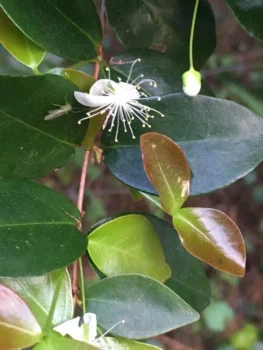
Surinam Cherry: A Tropical Shrub with Tasty (But Tart) Rewards
If you’ve ever stumbled across a small shrub producing bright red, ribbed fruits that look like tiny pumpkins, you’ve likely encountered the Surinam cherry (Eugenia uniflora). This evergreen shrub brings a tropical flair to gardens with its glossy leaves, fragrant flowers, and distinctive fruits that are as eye-catching as they are edible—though fair warning, they pack quite a tart punch!
What Exactly Is a Surinam Cherry?
The Surinam cherry is a perennial shrub that typically grows as a multi-stemmed woody plant, usually reaching heights of 13 to 16 feet, though it can be kept much smaller with regular pruning. Originally hailing from South America (particularly Brazil, Argentina, Uruguay, and Paraguay), this plant has made itself at home in warmer regions of the United States.
You might occasionally see it listed under its botanical synonym Eugenia michelii, but Eugenia uniflora is the accepted scientific name. The plant produces small, fragrant white flowers that eventually develop into those distinctive ribbed red fruits that give the plant its common name.
Where Does It Grow?
In the United States, you’ll find Surinam cherry growing in Florida, Hawaii, Puerto Rico, and the U.S. Virgin Islands. It’s important to note that this plant is not native to these areas—it’s been introduced and now reproduces on its own in the wild without human intervention.
- Species observed
- No observations
The Appeal of Surinam Cherry
So why might you want to add this South American transplant to your garden? Here are a few compelling reasons:
- Year-round beauty: As an evergreen, it provides consistent green foliage throughout the year
- Attractive flowers: The small white blooms are fragrant and add delicate beauty to the plant
- Unique fruits: Those ribbed red cherries are definitely conversation starters, and they’re edible (though quite tart)
- Wildlife magnet: The fruits attract birds, adding life and movement to your garden
- Pollinator support: The flowers provide nectar for bees and other small pollinators
Growing Conditions and Care
One of the Surinam cherry’s biggest selling points is how easy-going it is. This shrub thrives in USDA hardiness zones 9b through 11, which means it can’t handle frost but loves warm, tropical and subtropical climates.
Ideal Growing Conditions:
- Light: Full sun to partial shade (though it flowers and fruits best with plenty of sunshine)
- Soil: Well-draining soil of various types—this plant isn’t particularly fussy
- Water: Drought-tolerant once established, though regular watering during dry spells helps
- Wetland status: Prefers upland conditions and almost never occurs in wetlands
Planting and Care Tips:
- Plant in spring after the last frost danger has passed
- Space plants adequately to allow for mature size
- Water regularly during the first year to help establish roots
- Prune as needed to maintain desired shape and size
- Protect from strong winds, which can damage branches
- Consider container growing in areas where winter protection might be needed
Garden Design Ideas
Surinam cherry works well in informal, tropical-style landscapes where its relaxed growth habit fits right in. You can use it as:
- A specimen plant for focal interest
- Part of a mixed shrub border
- An informal hedge (with regular pruning)
- A container plant for patios and decks
- Background planting in tropical garden themes
A Word About Native Alternatives
While Surinam cherry can be an attractive addition to warm-climate gardens, it’s worth considering native alternatives that provide similar benefits while supporting local ecosystems. Depending on your region, you might explore native berry-producing shrubs or other evergreen species that attract birds and pollinators while being naturally adapted to your local conditions.
The Bottom Line
Surinam cherry offers an easy-care option for gardeners in warm climates who want an evergreen shrub with ornamental flowers, unusual fruits, and wildlife appeal. While it’s not native to the U.S., it can be a reasonable choice for tropical and subtropical gardens—just remember to consider native alternatives that might provide similar benefits while supporting local wildlife. And if you do grow it, be prepared for those tart little fruits that are definitely an acquired taste!