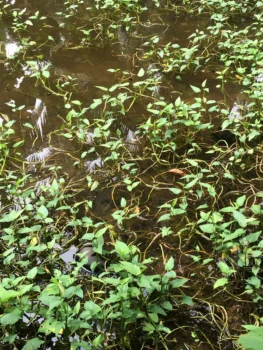
Swamp Morning-Glory: Why You Should Skip This Invasive Water Plant
If you’ve been considering swamp morning-glory (Ipomoea aquatica) for your water garden or bog area, it’s time to pump the brakes. While this fast-growing aquatic vine might seem like an attractive option for wet spots in your landscape, it comes with some serious baggage that makes it a no-go for responsible gardeners.
What Exactly Is Swamp Morning-Glory?
Swamp morning-glory is a perennial herb that belongs to the morning-glory family. Don’t let the pretty name fool you – this isn’t your typical garden morning-glory. This particular species is a forb (a non-woody plant) that thrives in aquatic environments and can quickly turn from garden addition to ecological nightmare.
You might also see it listed under the synonym Ipomoea reptans in some older gardening resources, but regardless of what name it goes by, the problems remain the same.
The Big Red Flag: Invasive Status
Here’s where things get serious. Swamp morning-glory is classified as a noxious weed at the federal level, and several states have taken action against it:
- Minnesota lists it as regulated
- Wisconsin has it on their prohibited species list
This isn’t just bureaucratic paperwork – these classifications exist because this plant causes real environmental and economic damage when it escapes cultivation.
Where It’s Already Causing Problems
Swamp morning-glory has already established populations in California, Florida, Hawaii, Guam, Palau, and Puerto Rico. In all these locations, it’s considered a non-native species that reproduces without human help and tends to stick around permanently once established.
- Species observed
- No observations
Why This Plant Is Trouble
The main issue with swamp morning-glory is its aggressive growth habit and adaptability. As an obligate wetland plant (meaning it almost always occurs in wetlands), it targets some of our most sensitive and important ecosystems. It can:
- Form dense mats that crowd out native plants
- Alter water flow and quality in wetland systems
- Disrupt habitat for native wildlife
- Spread rapidly through both vegetative growth and seeds
What About Its Appeal?
To be fair, there are reasons why some gardeners might be tempted by this plant. It grows quickly, tolerates a wide range of wetland conditions, and produces small white to pale pink flowers that can attract pollinators like bees. In some cultures, it’s grown as an edible crop (known as water spinach or kangkong).
However, these benefits simply don’t outweigh the ecological risks, especially when there are native alternatives available.
Better Native Alternatives
Instead of risking environmental damage with swamp morning-glory, consider these native wetland plants that offer similar benefits without the invasive behavior:
- Wild bergamot for pollinator attraction
- Cardinal flower for wet areas with stunning red blooms
- Blue flag iris for water garden appeal
- Swamp milkweed for monarch butterfly habitat
The Bottom Line
While swamp morning-glory might look appealing in plant catalogs or online descriptions, it’s simply not worth the risk to our native ecosystems. The combination of its invasive nature, noxious weed status, and ability to permanently establish in sensitive wetland areas makes it a plant that responsible gardeners should avoid entirely.
Your local environment (and future generations of gardeners) will thank you for choosing native alternatives that provide beauty and ecological benefits without the invasive baggage. When it comes to swamp morning-glory, the best garden advice is simple: just say no.