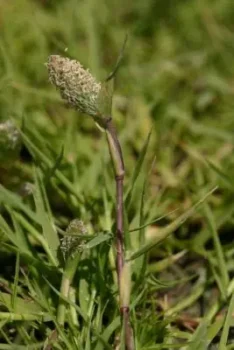
Swamp Pricklegrass: A Wetland Annual Worth Knowing
If you’ve ever wandered around the soggy edges of ponds or marshy areas, you might have encountered swamp pricklegrass (Crypsis schoenoides) without even realizing it. This unassuming little annual grass has quietly made itself at home in wetlands across North America, though it’s actually a traveler from far-off lands.
What Exactly Is Swamp Pricklegrass?
Swamp pricklegrass is a small, annual grass that belongs to the group of plants we call graminoids – basically the grass family and their grass-like cousins. You might also see it listed under its scientific synonyms Heleochloa schoenoides or Sporobolus schoenoides in older references, but don’t let the name changes fool you – it’s the same humble little plant.
This isn’t a native North American species, though. Originally from the Mediterranean region and parts of Europe and Asia, swamp pricklegrass has naturalized across much of the continent, establishing populations that persist and reproduce on their own.
Where You’ll Find It Growing
Swamp pricklegrass has spread to an impressive range of locations across North America. You can find established populations in Arizona, California, Delaware, Illinois, Indiana, Iowa, Massachusetts, Michigan, Missouri, Nevada, New Jersey, New York, Ohio, Oregon, Pennsylvania, Utah, Vermont, Wisconsin, and even up in Ontario, Canada.
- Species observed
- No observations
The Wetland Connection
Here’s where things get interesting: this little grass is practically married to wet places. Depending on where you are, swamp pricklegrass ranges from being a facultative wetland plant (meaning it usually likes wet feet but can handle drier spots) to an obligate wetland species (which basically means it’s almost always found in soggy conditions).
In regions like the Great Plains and parts of the Northeast, it’s particularly committed to wet habitats and rarely ventures into drier ground.
Should You Plant Swamp Pricklegrass?
Let’s be honest – swamp pricklegrass isn’t going to win any beauty contests. It’s a small, rather inconspicuous annual grass that most people would walk right past without noticing. The flowers are tiny and arranged in dense, spike-like clusters that won’t add much visual drama to your garden.
However, if you’re working with a naturalized wetland area, pond margin, or water garden where you want low-maintenance vegetation that can handle seasonal flooding, swamp pricklegrass might have a place. It’s particularly suited for:
- Rain gardens and bioswales
- Pond and stream edges
- Constructed wetlands
- Areas with poor drainage
Growing Conditions and Care
If you’re determined to grow swamp pricklegrass, here’s what it needs:
- Moisture: Consistently moist to wet soil is essential
- Sun: Full sun to partial shade
- Soil: Tolerates a wide range of soil types as long as they stay moist
- Climate: Hardy in USDA zones 5-9
Since it’s an annual, swamp pricklegrass completes its entire life cycle in one growing season, relying on seeds to return the following year. It’s generally low-maintenance once established and may self-sow readily in suitable conditions.
Consider Native Alternatives
While swamp pricklegrass isn’t known to be aggressively invasive, many gardeners prefer to work with native species that naturally support local ecosystems. If you’re looking for native wetland grasses, consider exploring options like:
- Native sedges (Carex species)
- Rice cutgrass (Leersia oryzoides)
- Fowl mannagrass (Glyceria striata)
- Regional native rush species (Juncus species)
The Bottom Line
Swamp pricklegrass is one of those plants that fills a very specific niche. It’s not flashy, it’s not native, but it’s also not particularly problematic. If you’re managing a wetland area and need something that can handle consistently wet conditions with minimal fuss, it might serve your purposes. However, given the wealth of beautiful native wetland plants available, you might find more rewarding options that also support local wildlife and pollinators.
As always, when working with non-native species, keep an eye on how they behave in your specific location and be prepared to manage them if they become more aggressive than expected.