Swamp Taro: A Tropical Water Garden Treasure
If you’re dreaming of adding some serious tropical flair to your water garden or bog area, swamp taro (Cyrtosperma chamissonis) might just be the eye-catching plant you’ve been searching for. This stunning aquatic perennial brings a touch of the Pacific Islands right to your backyard – assuming you live somewhere warm enough to keep it happy!
What is Swamp Taro?
Swamp taro, scientifically known as Cyrtosperma chamissonis, is a large-leaved aquatic plant that’s native to various Pacific Islands, including Micronesia and the Marshall Islands. You might also see it listed under its botanical synonym, Cyrtosperma edule. This impressive plant is a member of the arum family and creates quite the statement piece wherever it grows.
Where Does Swamp Taro Come From?
This tropical beauty calls the Pacific Islands home, where it thrives in the warm, humid conditions of its native archipelagos. In these natural settings, swamp taro plays an important ecological role in wetland ecosystems and has cultural significance as a traditional food source for island communities.
What Does Swamp Taro Look Like?
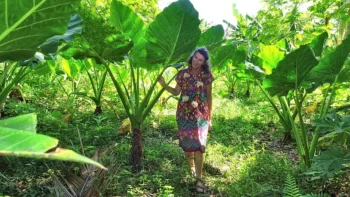
Prepare to be impressed by swamp taro’s dramatic appearance! This plant produces large, heart-shaped leaves with prominent veining that gives them an almost architectural quality. The foliage creates a lush, tropical canopy that can serve as a stunning focal point in any water feature. The plant’s substantial size and bold leaf structure make it impossible to ignore – in the best possible way.
Should You Grow Swamp Taro in Your Garden?
Here’s where things get a bit tricky. Swamp taro is absolutely gorgeous, but it’s quite particular about its growing conditions. This plant is only suitable for gardeners in USDA hardiness zones 10-12, which limits its outdoor cultivation to tropical and subtropical regions like southern Florida, Hawaii, and parts of southern California.
If you live in a colder climate, don’t despair! You can still enjoy swamp taro by growing it in a greenhouse or as a seasonal container plant that you bring indoors during winter months.
Perfect Growing Conditions for Swamp Taro
Swamp taro isn’t called swamp taro for nothing – this plant absolutely loves wet feet! Here’s what it needs to thrive:
- Consistently moist to wet soil (think boggy conditions)
- High humidity levels
- Warm temperatures year-round
- Partial shade to filtered sunlight
- Protection from strong winds
How to Plant and Care for Swamp Taro
If you’re ready to take the plunge with swamp taro, here’s how to give it the best start:
- Plant in a bog garden, at the edge of a pond, or in a large container that can hold water
- Use rich, organic soil that stays consistently moist
- Maintain water levels so the soil never dries out
- Provide regular misting to increase humidity around the plant
- Feed with a balanced, slow-release fertilizer during the growing season
- Remove any dead or damaged leaves regularly
Garden Design Ideas
Swamp taro works beautifully as:
- A specimen plant near water features
- Part of a tropical garden theme
- A dramatic accent in bog gardens
- Container plantings for patios (with proper water management)
- Greenhouse or conservatory displays
Consider Native Alternatives
While swamp taro is a stunning plant, consider exploring native alternatives that might be better suited to your local ecosystem. Native aquatic plants will typically require less maintenance, support local wildlife better, and be more resilient in your climate. Check with your local native plant society or extension office for recommendations specific to your area.
The Bottom Line
Swamp taro is undeniably beautiful and can be a showstopper in the right setting. However, its specific needs for warm, wet conditions mean it’s not suitable for every garden or every gardener. If you live in a tropical zone and have the right conditions, it can be a rewarding addition to your water garden. For everyone else, it might be better admired in botanical gardens or grown as a special greenhouse project.
Remember, successful gardening is about choosing plants that will thrive in your specific conditions rather than struggling against them. Whether you decide to grow swamp taro or opt for a native alternative, the key is creating a garden that works harmoniously with your local environment.