Sweet Almond Trees: A Mediterranean Beauty for Your Garden
If you’ve ever dreamed of having your own almond harvest or simply love the sight of delicate spring blossoms, the sweet almond tree (Prunus dulcis) might have caught your attention. This charming Mediterranean native has found its way into American gardens, particularly in warmer climates, where it offers both ornamental beauty and the promise of homegrown nuts.
What Exactly Is a Sweet Almond Tree?
The sweet almond, also known as almendro almond, is a deciduous tree that belongs to the same family as cherries, peaches, and plums. As a perennial woody plant, it typically grows as a single-trunked tree reaching 13 to 16 feet or more in height, though environmental conditions can sometimes result in a shorter, multi-stemmed growth form.
You might encounter this tree listed under several botanical names in older references, including Amygdalus communis or Prunus amygdalus, but Prunus dulcis is the currently accepted scientific name.
Where Does It Come From and Where Does It Grow Now?
Sweet almond trees are not native to North America – they originally hail from the Mediterranean region and southwestern Asia. However, they’ve been introduced to the United States and now grow wild in California and Utah, reproducing on their own without human intervention.
- Species observed
- No observations
The Appeal: Why Gardeners Love (and Sometimes Skip) Sweet Almonds
The Beautiful Side
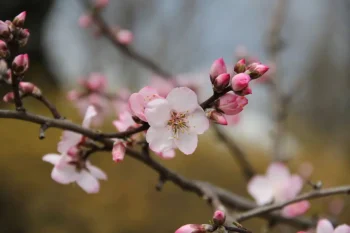
Sweet almond trees are absolutely stunning in early spring when they burst into bloom with pink or white flowers before their leaves emerge. This early flowering makes them valuable for:
- Adding spring color when most other plants are still dormant
- Providing early nectar sources for bees and other pollinators
- Creating an edible landscape with both beauty and function
- Serving as an attractive specimen tree in Mediterranean-style gardens
The Practical Considerations
However, there are some things to consider before planting:
- As a non-native species, it doesn’t support local wildlife as well as native alternatives
- You’ll need at least two different varieties for cross-pollination if you want nuts
- Late frosts can damage early blooms and ruin nut production
- It’s limited to warmer climates (USDA zones 7-9)
Wildlife and Environmental Impact
Sweet almond trees provide some wildlife value, though limited compared to native species. Small mammals use almonds for only 2-5% of their diet and rarely use the trees for cover. Terrestrial birds get about 5-10% of their diet from almond trees but also infrequently use them for shelter.
Since this is a non-native species, consider these native alternatives that provide better wildlife support:
- Wild plum (Prunus americana) – offers similar spring blooms and wildlife benefits
- Serviceberry (Amelanchier species) – provides excellent wildlife food and spring flowers
- Redbud (Cercis canadensis) – stunning spring blooms and native pollinator support
Growing Sweet Almond Trees Successfully
Climate Requirements
Sweet almonds thrive in USDA hardiness zones 7-9, making them suitable for Mediterranean climates and similar growing conditions. They need a period of winter chill but can’t tolerate extremely harsh winters.
Ideal Growing Conditions
These trees are surprisingly low-maintenance once established:
- Sunlight: Full sun is essential for best flowering and nut production
- Soil: Well-draining soil is crucial – they hate wet feet
- Water: Drought tolerant once established, making them perfect for xeriscapes
- Space: Allow plenty of room for mature size and good air circulation
Planting and Care Tips
Planting: Plant in late winter or early spring after the last frost. Dig a hole twice as wide as the root ball but no deeper.
Watering: Water regularly the first year, then reduce to occasional deep watering during dry spells.
Pruning: Prune lightly after flowering to maintain shape and remove dead or crossing branches.
Pollination: Plant at least two different almond varieties within 100 feet of each other for nut production.
Is Sweet Almond Right for Your Garden?
Sweet almond trees can be a lovely addition to the right garden, especially if you’re creating a Mediterranean-themed landscape or edible garden in zones 7-9. Their early spring blooms and drought tolerance make them appealing choices for xeriscapes.
However, if supporting native wildlife is a priority, you might want to consider native alternatives that provide similar aesthetic appeal while offering better ecological benefits. Either way, with proper care and the right growing conditions, sweet almond trees can provide years of spring beauty and potentially a homegrown nut harvest too!