Sweet Sagewort: A Hardy Annual Herb with Character
If you’re looking for a no-fuss annual that brings texture, fragrance, and a touch of wildness to your garden, sweet sagewort (Artemisia annua) might just be the plant for you. This feathery-leafed herb has been quietly making itself at home across North America, and while it may not be a native, it certainly knows how to make an impression.
What is Sweet Sagewort?
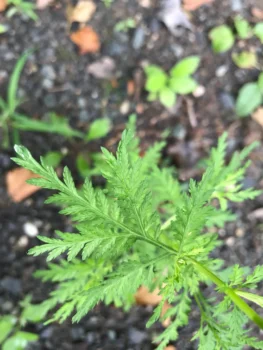
Sweet sagewort is an annual forb – essentially a non-woody herbaceous plant that completes its entire life cycle in one growing season. Don’t let the sweet in its name fool you; this plant has a distinctly aromatic, somewhat bitter scent when you brush against its delicate, silvery-green foliage. The deeply divided, feathery leaves give the plant an almost ethereal appearance, especially when backlit by the morning or evening sun.
This hardy annual can reach impressive heights of 3 to 6 feet tall and spread 2 to 3 feet wide, making it quite the statement plant. In late summer, it produces clusters of tiny yellow flowers arranged in drooping panicles that add a subtle charm to the overall display.
Where Does It Grow?
Originally hailing from Asia, sweet sagewort has become a well-established non-native species throughout much of North America. You can find it thriving across an impressive range of states and provinces, from Alabama to Wyoming, and from New Brunswick to California. It’s particularly common in the lower 48 states and several Canadian provinces, where it reproduces readily in the wild.
- Species observed
- No observations
Garden Appeal and Design Role
Sweet sagewort brings several appealing qualities to the garden:
- Striking textural contrast with its finely divided, silvery foliage
- Impressive height that works well as a background plant
- Drought tolerance once established
- Aromatic qualities that add sensory interest
- Self-seeding nature for naturalized areas
In landscape design, this plant works beautifully in herb gardens, cottage-style landscapes, and naturalized areas where a more relaxed, wild appearance is desired. Its height and airy texture make it an excellent backdrop for shorter, more colorful perennials and annuals.
Growing Conditions and Care
One of sweet sagewort’s greatest assets is its easygoing nature. This plant thrives in:
- Full sun locations
- Well-drained soils (it’s quite tolerant of poor soils)
- Areas with minimal supplemental watering once established
- USDA hardiness zones 3-10 (as an annual)
The plant’s wetland status varies by region, but it generally prefers upland conditions and rarely occurs in wetlands, making it perfect for those drier spots in your garden where other plants might struggle.
Planting and Maintenance Tips
Growing sweet sagewort is refreshingly simple:
- Start from seed in spring after the last frost
- Scatter seeds directly in the garden – they need light to germinate, so barely cover them
- Water lightly until seedlings are established
- Once mature, the plant requires minimal care
- Be prepared for self-seeding – this plant likes to spread its offspring around
The self-seeding tendency means you might find volunteers popping up in unexpected places, which can be either delightful or somewhat weedy, depending on your gardening style and preferences.
Wildlife and Pollinator Benefits
While not a major pollinator magnet, sweet sagewort’s small flowers do attract beneficial insects and provide some late-season nectar sources. The seeds may also provide food for small birds, though it’s not considered a significant wildlife plant.
Should You Grow It?
Sweet sagewort can be a valuable addition to the right garden situation. It’s perfect for gardeners who:
- Want low-maintenance plants for difficult growing conditions
- Appreciate unique textures and aromatic foliage
- Are creating naturalized or cottage-style landscapes
- Don’t mind a plant that self-seeds enthusiastically
However, if you prefer native plants or are concerned about non-native species, consider these native alternatives that offer similar qualities: native artemisias like white sage (Artemisia ludoviciana) or fringed sage (Artemisia frigida), which provide comparable silvery foliage and aromatic qualities while supporting local ecosystems.
Whether you choose to welcome sweet sagewort into your garden or opt for a native alternative, you’ll be adding texture, fragrance, and character to your landscape. Just remember – this annual has a mind of its own and may decide to make itself quite at home!