Sweet Vernalgrass: The Fragrant European Grass That’s Made Itself at Home
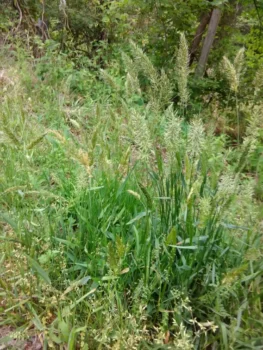
If you’ve ever walked through a meadow and caught a whiff of something that smells suspiciously like vanilla cookies, you might have encountered sweet vernalgrass (Anthoxanthum odoratum). This unassuming perennial grass has quite the backstory – originally from Europe and western Asia, it’s now found practically everywhere across North America, from Alaska to Hawaii and most places in between.
What Makes Sweet Vernalgrass Special?
Sweet vernalgrass isn’t your typical lawn grass. This perennial graminoid (that’s fancy talk for grass-like plant) stands out for one delightful reason: its signature sweet, vanilla-like fragrance. The scent becomes most noticeable when the grass is crushed, cut, or dried, which is why it was historically used in potpourri and as bedding material.
The plant produces narrow green leaves and delicate flower spikes in late spring to early summer. While it won’t win any beauty contests, it has a quiet charm that works well in naturalized settings.
Where You’ll Find It Growing Wild
Sweet vernalgrass has truly made itself at home across North America. You can find it established in states from Alabama to Alaska, and throughout most Canadian provinces including British Columbia, Ontario, Quebec, and the Maritime provinces. It’s even managed to establish itself in Hawaii and as far north as Greenland.
- Species observed
- No observations
Should You Plant Sweet Vernalgrass?
Here’s where things get interesting. Sweet vernalgrass is what we call a naturalized plant – it’s not native to North America, but it’s been here so long and spread so widely that it’s become part of the landscape. Since it’s not currently listed as invasive or noxious, you won’t get in trouble for planting it, but there are some things to consider:
The Case for Sweet Vernalgrass:
- Incredibly adaptable – grows in poor soils where other grasses struggle
- Low maintenance once established
- That wonderful vanilla fragrance
- Provides ground cover in challenging spots
- Hardy across USDA zones 3-9
Why You Might Want to Think Twice:
- As a non-native species, it doesn’t provide the same ecological benefits as native grasses
- Can self-seed readily and spread beyond where you planted it
- Limited value for local wildlife and pollinators
Native Alternatives to Consider
If you’re leaning toward supporting native ecosystems, consider these native grass alternatives that offer similar low-maintenance ground cover:
- Buffalo grass (Bouteloua dactyloides) for western regions
- Little bluestem (Schizachyrium scoparium) for most of North America
- Prairie dropseed (Sporobolus heterolepis) for northern areas
Growing Sweet Vernalgrass Successfully
If you decide to give sweet vernalgrass a try, you’ll find it’s refreshingly easy to please:
Growing Conditions:
- Light: Full sun to partial shade
- Soil: Adaptable to most soil types, including poor and acidic soils
- Water: Drought tolerant once established, but appreciates occasional watering
- Climate: Hardy in USDA zones 3-9
Wetland Tolerance:
Sweet vernalgrass is quite flexible when it comes to moisture levels. In most regions, it’s classified as Facultative Upland, meaning it usually prefers drier conditions but can tolerate some wetness. In the Great Plains and Arid West, it can handle both wet and dry conditions equally well.
Planting and Care Tips:
- Easy to start from seed – just scatter and lightly rake in
- Best planted in early spring or fall
- Requires minimal fertilization
- Mow once or twice per year if desired, or leave natural for a meadow look
- Keep an eye on spread if planted near natural areas
The Bottom Line
Sweet vernalgrass is like that friend who shows up uninvited but turns out to be surprisingly pleasant company. It’s not native, but it’s not causing major ecological havoc either. If you’re looking for a low-maintenance grass for challenging spots and love the idea of vanilla-scented meadows, it might work for you. Just remember that choosing native alternatives will better support local wildlife and contribute to healthier ecosystems. Whatever you decide, your nose will definitely know when sweet vernalgrass is around!