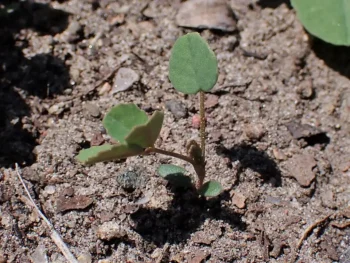
Sweetclover: A Beautiful But Problematic Non-Native You Should Skip
If you’ve ever driven past roadsides in summer and noticed tall spikes of small yellow flowers swaying in the breeze, you’ve likely spotted sweetclover (Melilotus officinalis). While this European import might seem like an attractive addition to your garden, there are some important reasons why you’ll want to think twice before planting it.
What Is Sweetclover?
Sweetclover goes by many names – you might hear it called yellow sweetclover, white sweet clover, field melilot, or cornilla real. Despite its sweet-sounding name and pleasant appearance, this non-native plant has become a significant concern across North America.
Originally from Europe and Asia, sweetclover is what botanists call a forb – basically a non-woody flowering plant. It can live as an annual, biennial, or perennial depending on conditions, and it’s quite the overachiever, capable of reaching up to 6 feet tall with rapid growth.
Where You’ll Find It (Unfortunately, Almost Everywhere)
Here’s where things get concerning: sweetclover has spread to virtually every U.S. state and Canadian province. From Alaska to Hawaii, from coast to coast, this aggressive spreader has made itself at home across diverse climates and conditions.
- Species observed
- No observations
The plant is particularly well-established throughout the lower 48 states, Canada, and has even reached as far as Greenland and various Pacific territories. Its wide distribution is a testament to just how adaptable and persistent this species can be.
Why You Should Avoid Planting Sweetclover
While sweetclover might look innocent enough, it’s officially classified as invasive in Missouri, and for good reason. This plant is what we call a reproductive overachiever – it spreads rapidly through prolific seed production, with each plant capable of producing thousands of seeds.
Here’s what makes sweetclover problematic:
- It outcompetes native plants for space and resources
- Its rapid growth rate allows it to dominate natural areas
- It can alter soil chemistry through nitrogen fixation
- Once established, it’s difficult to control or remove
- It’s known to have allelopathic properties (releases chemicals that inhibit other plants)
The Plant’s Characteristics
If you’re trying to identify sweetclover, look for these features:
- Height: Can reach up to 6 feet tall
- Flowers: Small yellow flowers arranged in tall, narrow spikes
- Bloom time: Summer months
- Foliage: Green, coarse-textured leaves that are porous
- Growth habit: Single-crowned with an erect, upright form
The plant is quite hardy, tolerating temperatures as low as -38°F and thriving in various soil types, though it prefers alkaline conditions with pH between 6.5 and 8.2.
Limited Wildlife Value
While sweetclover does provide some wildlife benefits – offering food for large animals, small mammals, and birds (though only making up 5-10% of their diet) – these benefits don’t outweigh the ecological damage it can cause. The plant also attracts some pollinators during its summer bloom period, but again, native alternatives provide much better support for local ecosystems.
Better Native Alternatives
Instead of planting sweetclover, consider these native alternatives that provide similar benefits without the ecological concerns:
- Wild bergamot (Monarda fistulosa) for pollinator attraction
- Purple prairie clover (Dalea purpurea) for nitrogen fixation
- Wild lupine (Lupinus perennis) for tall, spike-like flowers
- New England aster (Symphyotrichum novae-angliae) for late-season blooms
If You Already Have It
If sweetclover has already established itself on your property, the best approach is removal. Cut plants before they set seed, and be persistent – this may require several seasons of management. Consider replanting disturbed areas with native species to prevent re-establishment.
The Bottom Line
While sweetclover might seem like an easy, attractive option for difficult sites, its invasive nature and negative impact on native ecosystems make it a poor choice for responsible gardeners. By choosing native alternatives instead, you’ll create habitat that truly supports local wildlife while avoiding the headaches that come with managing an aggressive non-native species.
Remember: the most beautiful garden is one that works in harmony with the local ecosystem, not against it.