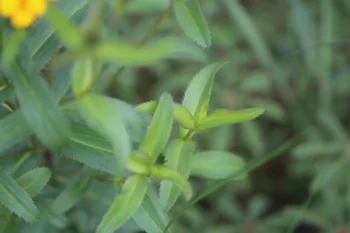
Sweetscented Marigold: A Fragrant Herb That Pollinators Adore
If you’ve been searching for a plant that combines culinary usefulness with pollinator appeal, sweetscented marigold (Tagetes lucida) might just be your new garden favorite. This aromatic annual brings a delightful anise-like fragrance to your garden while serving up a buffet of nectar for bees and butterflies.
What is Sweetscented Marigold?
Sweetscented marigold is a compact, bushy annual herb that produces cheerful yellow daisy-like flowers throughout the growing season. Don’t let the name fool you – while it’s called a marigold, it has a distinctly different personality from the common garden marigolds you might know. This little charmer is prized for its intensely fragrant foliage that smells remarkably like French tarragon, earning it the nickname Mexican tarragon in culinary circles.
Native Origins and Geographic Distribution
Originally hailing from Mexico and Central America, sweetscented marigold has naturalized in parts of the southern United States. While it’s not native to most North American regions, it has found a comfortable home in warmer climates and continues to be cherished by gardeners who appreciate its dual-purpose nature as both an ornamental and culinary plant.
Why Gardeners Love (or Should Consider) Sweetscented Marigold
There are several compelling reasons to give this plant a spot in your garden:
- Pollinator magnet: The small but abundant flowers are irresistible to bees, butterflies, and other beneficial insects
- Culinary versatility: Fresh leaves can substitute for French tarragon in cooking
- Low maintenance: Once established, it’s quite drought tolerant and rarely bothers with pest problems
- Extended bloom period: Flowers continuously from summer until the first frost
- Compact size: Perfect for containers, herb gardens, or tucking into tight spaces
Aesthetic Appeal and Garden Role
Sweetscented marigold typically grows 1-2 feet tall and wide, forming a neat, rounded bush covered in small, bright yellow flowers. Its fine-textured, serrated leaves provide a lovely backdrop for the blooms, and the entire plant emanates that wonderful licorice-like fragrance when brushed against or crushed.
This plant shines in herb gardens, butterfly gardens, and cottage-style landscapes. It’s also excellent in containers and makes a charming edging plant along pathways where its fragrance can be enjoyed up close.
Growing Conditions and Care
The beauty of sweetscented marigold lies in its easygoing nature. Here’s what it needs to thrive:
- Sunlight: Full sun for best flowering and fragrance
- Soil: Well-draining soil of average fertility
- Water: Moderate water needs; drought tolerant once established
- USDA Zones: Grown as an annual in most zones; may overwinter in zones 9-11
Planting and Care Tips
Getting started with sweetscented marigold is refreshingly simple:
- Start from seed indoors 6-8 weeks before the last frost, or direct sow after soil warms
- Space plants 12-18 inches apart to allow for mature spread
- Pinch flower buds if you want to encourage bushier growth and more leaf production
- Harvest leaves regularly for culinary use – this also promotes new growth
- Deadhead spent flowers to encourage continued blooming
Wetland Considerations
Sweetscented marigold has a Facultative Upland status in the Atlantic and Gulf Coastal Plain region, meaning it usually occurs in non-wetland areas but may occasionally be found in wetland settings. This makes it suitable for most garden situations but perhaps not the best choice for rain gardens or consistently moist areas.
Supporting Native Ecosystems
While sweetscented marigold isn’t native to most of North America, it does provide valuable nectar resources for pollinators. If you’re looking to maximize native plant benefits in your garden, consider pairing it with native alternatives like wild bergamot (Monarda fistulosa), lanceleaf coreopsis (Coreopsis lanceolata), or native asters that bloom in fall when sweetscented marigold is still going strong.
The Bottom Line
Sweetscented marigold offers gardeners a delightful combination of beauty, fragrance, and utility. While it may not be native, its value to pollinators and its well-behaved garden habits make it a worthy addition to herb gardens and pollinator-friendly landscapes. Plus, having a fresh supply of tarragon-flavored leaves for your kitchen adventures is just an added bonus!