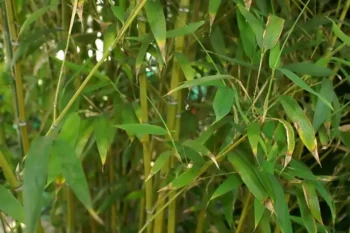
Sweetshoot Bamboo: A Rare Addition to Your Garden Landscape
If you’re looking for something truly unique in the bamboo world, you might have stumbled across sweetshoot bamboo (Phyllostachys dulcis). This perennial grass-like plant is quite the rare find in American gardens, and there’s a good reason why you don’t see it everywhere.
What Makes Sweetshoot Bamboo Special?
Sweetshoot bamboo belongs to the Phyllostachys genus, which includes many of the running bamboos that gardeners either love or love to hate. Like its bamboo cousins, this species is a graminoid – essentially a grass-like plant that grows in distinctive jointed canes with narrow, elegant leaves.
What sets this particular bamboo apart is its rarity in cultivation. While most Phyllostachys species have spread widely across the United States, sweetshoot bamboo has maintained a much more limited presence.
Where Does It Grow?
Originally from China like most Phyllostachys species, sweetshoot bamboo has found its way to North America as a non-native introduction. However, its distribution is remarkably limited – currently, it’s only documented as growing in Massachusetts. This makes it one of the more geographically restricted bamboos you’ll encounter.
- Species observed
- No observations
Should You Plant Sweetshoot Bamboo?
Here’s where things get interesting. As a non-native species, sweetshoot bamboo isn’t going to support local wildlife the way native plants do. However, since there’s no current evidence of it being invasive or noxious, it falls into that neutral zone where the choice is really up to you.
Consider these factors:
- Limited ecological benefits compared to native alternatives
- Extremely rare availability makes sourcing difficult
- Unknown long-term behavior in most climates
- Typical bamboo spreading characteristics may require management
Native Alternatives Worth Considering
Before you set your heart on this rare bamboo, consider some native alternatives that provide similar aesthetic appeal while supporting local ecosystems:
- River cane (Arundinaria gigantea) – North America’s native bamboo
- Switch grass (Panicum virgatum) – provides vertical structure and movement
- Little bluestem (Schizachyrium scoparium) – offers graceful, grass-like texture
Growing Sweetshoot Bamboo Successfully
If you do decide to grow sweetshoot bamboo, here’s what you need to know. Keep in mind that specific information about this species is limited, so these guidelines are based on general Phyllostachys cultivation principles.
Ideal Growing Conditions
Like most bamboos, sweetshoot bamboo likely thrives in:
- Moist, well-draining soil
- Partial to full sun exposure
- Protected locations in colder climates
- USDA hardiness zones 6-9 (estimated based on genus characteristics)
Planting and Care Tips
Since this is a running bamboo, containment should be your first consideration. Install root barriers if you don’t want it spreading throughout your property. Plant in spring after the last frost, and keep the soil consistently moist during establishment.
Regular watering during dry spells and an annual application of balanced fertilizer will keep your bamboo happy. Be prepared to thin older canes periodically to maintain an attractive grove.
The Bottom Line
Sweetshoot bamboo is more of a collector’s curiosity than a practical garden choice for most people. Its rarity makes it difficult to source, and its non-native status means it won’t contribute to local biodiversity. If you’re drawn to the bamboo aesthetic, you’ll likely have better success and make a bigger positive impact by choosing native grass alternatives that provide similar visual appeal while supporting local wildlife.
However, if you’re a bamboo enthusiast who appreciates rare specimens and can source this plant responsibly, sweetshoot bamboo could be an interesting addition to a specialized collection – just remember to keep those spreading rhizomes in check!