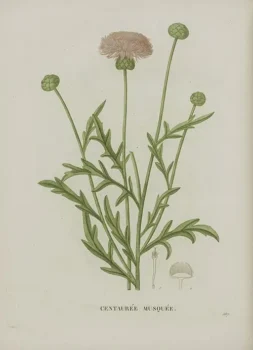
Sweet Sultan: A Fragrant Annual with Old-World Charm
If you’re looking for a flower that combines cottage garden romance with practical benefits, sweet sultan (Amberboa moschata) might just capture your heart. This delightfully fragrant annual brings a touch of Mediterranean charm to American gardens, though it’s worth exploring both its appeal and some native alternatives that might better serve your local ecosystem.
What is Sweet Sultan?
Sweet sultan is a charming annual forb—that’s garden-speak for a soft-stemmed flowering plant that completes its life cycle in one growing season. You might also see it listed under its old botanical name, Centaurea moschata, but don’t let the scientific terminology intimidate you. This plant is as approachable as it is beautiful.
The sweet in sweet sultan isn’t just marketing—these flowers actually release a honey-like fragrance that’s particularly noticeable in the evening. The blooms resemble fluffy, papery thistles and come in lovely shades of purple, pink, white, and yellow, each sitting atop slender stems with feathery, gray-green foliage.
Where Does Sweet Sultan Come From?
Sweet sultan hails from the Mediterranean region and Western Asia, making it a non-native species in North American gardens. However, it has naturalized in several U.S. states, including California, Illinois, Indiana, Iowa, Maine, and Utah, where it reproduces spontaneously in the wild.
- Species observed
- No observations
Why Gardeners Love (and Grow) Sweet Sultan
There are several compelling reasons why sweet sultan has found its way into American gardens:
- Exceptional cut flowers: The long stems and lasting blooms make them perfect for bouquets
- Pollinator magnet: Bees, butterflies, and other beneficial insects flock to the nectar-rich flowers
- Low maintenance: Once established, these plants are remarkably drought tolerant
- Cottage garden charm: They bring that slightly wild, romantic look that cottage gardeners adore
- Self-seeding potential: In favorable conditions, they may return year after year
Garden Design and Landscape Role
Sweet sultan typically grows 1-3 feet tall and about 12-18 inches wide, making it perfect for middle-of-the-border plantings. These versatile annuals work beautifully in:
- Cutting gardens where their long stems shine
- Cottage gardens for that informal, romantic feel
- Wildflower meadows where they can naturalize
- Annual flower beds mixed with other seasonal bloomers
- Container gardens on patios and decks
Growing Sweet Sultan Successfully
The good news is that sweet sultan is relatively easy to grow, even for beginning gardeners. Here’s what these Mediterranean beauties need to thrive:
Sunlight: Full sun is essential—aim for at least 6-8 hours of direct sunlight daily.
Soil: Well-drained soil is crucial. Sweet sultan actually prefers somewhat poor soil and will tolerate sandy or rocky conditions better than rich, heavy earth.
Hardiness: As an annual, sweet sultan can be grown in USDA zones 2-11, though in warmer zones it may self-seed and return the following year.
Planting and Care Tips
Getting sweet sultan established is straightforward:
- Direct seeding: Sow seeds directly in the garden in spring after the last frost date, or in fall in milder climates
- Spacing: Thin seedlings to about 12 inches apart to prevent overcrowding
- Watering: Water regularly until established, then these drought-tolerant plants can handle dry spells
- Deadheading: Remove spent blooms to encourage continued flowering throughout the season
- Fertilizing: Generally unnecessary—too much fertilizer can actually reduce flowering
Wildlife and Pollinator Benefits
One of sweet sultan’s strongest selling points is its appeal to beneficial insects. The flowers provide abundant nectar for bees, butterflies, and other pollinators, making them a valuable addition to any wildlife-friendly garden. However, since this is a non-native species, it’s worth considering native alternatives that might provide even greater ecological benefits.
Consider Native Alternatives
While sweet sultan isn’t considered invasive, choosing native plants when possible helps support local ecosystems and wildlife. Consider these native alternatives that offer similar benefits:
- Wild bergamot (Monarda fistulosa): Fragrant purple flowers beloved by pollinators
- Purple coneflower (Echinacea purpurea): Long-lasting blooms perfect for cutting
- New England aster (Symphyotrichum novae-angliae): Fall-blooming native with excellent pollinator value
- Native sunflowers (Helianthus species): Cheerful blooms that support birds and pollinators
The Bottom Line
Sweet sultan offers gardeners beautiful, fragrant flowers with minimal fuss, making it an appealing choice for cut flower gardens and cottage-style landscapes. While it’s not native to North America, it doesn’t appear to be aggressively invasive either. If you choose to grow sweet sultan, you’ll enjoy its old-world charm and pollinator appeal—just consider balancing it with native species that provide even greater ecological benefits to your local environment.
Whether you’re a seasoned gardener or just starting out, sweet sultan’s forgiving nature and rewarding blooms make it a worthy candidate for your annual flower collection.