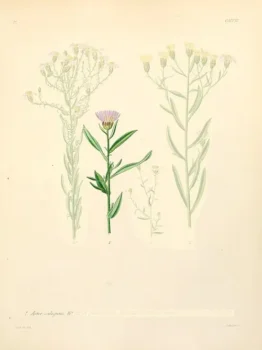
Symphyotrichum ×salignum: The Mystery Aster Hybrid
If you’ve stumbled upon the name Symphyotrichum ×salignum in your plant research, you’ve discovered one of botany’s more elusive characters. This hybrid aster is something of a botanical enigma, with limited information available even to seasoned gardeners and plant enthusiasts.
What’s in a Name?
Symphyotrichum ×salignum doesn’t have a widely recognized common name, which tells us something about how rarely this plant appears in cultivation or natural settings. The × symbol in the botanical name is your clue that this is a hybrid – a cross between two different Symphyotrichum species. You might also see it listed under its older synonym, Aster ×salignus.
The Challenge of Growing the Unknown
Here’s where things get tricky for gardeners: there’s precious little specific information available about Symphyotrichum ×salignum’s growing requirements, native range, or garden performance. This lack of documentation suggests it’s either extremely rare in cultivation or perhaps exists primarily as a naturally occurring hybrid that hasn’t been extensively studied or grown in gardens.
What We Don’t Know (And Why That Matters)
Unfortunately, key details that would help you decide whether to grow this plant remain mysterious:
- Native range and distribution
- Preferred growing conditions
- Mature size and growth habit
- Hardiness zones
- Pollinator and wildlife benefits
- Invasive or noxious status
A Safer Alternative: Well-Known Symphyotrichum Species
If you’re drawn to the idea of growing asters from the Symphyotrichum genus, you’ll have much better luck (and more reliable information) with well-documented species like New England Aster (Symphyotrichum novae-angliae) or Aromatic Aster (Symphyotrichum oblongifolium). These proven performers offer excellent pollinator support, attractive fall blooms, and clear growing guidelines.
The Bottom Line
While Symphyotrichum ×salignum might intrigue plant collectors and botanical enthusiasts, the lack of available growing information makes it a risky choice for most gardeners. Without knowing its native status, growing requirements, or potential invasive tendencies, it’s difficult to recommend this mysterious hybrid for home landscapes.
If you’re passionate about native plants and supporting local ecosystems, focus your energy on well-documented native asters that will reliably provide the beauty and ecological benefits you’re seeking. Save the botanical detective work for another day!