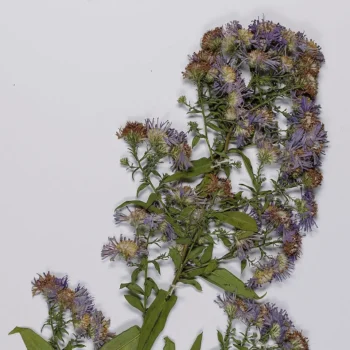
Symphyotrichum ×versicolor: The Mystery Aster That Keeps Botanists Guessing
If you’ve stumbled across the name Symphyotrichum ×versicolor while researching native plants, you’re not alone in scratching your head. This enigmatic member of the aster family is one of those plants that seems to exist more in botanical literature than in actual gardens—and there’s a good reason for that.
What We Know (And What We Don’t)
Symphyotrichum ×versicolor is a hybrid aster, as indicated by the × symbol in its scientific name. You might also see it referenced by its older synonym, Aster ×versicolor. Beyond that basic classification, reliable information about this plant becomes surprisingly scarce.
Here’s what makes this plant particularly puzzling for gardeners:
- No widely recognized common name
- Unclear native status and geographic distribution
- Unknown growth characteristics and habitat preferences
- Limited availability in the horticultural trade
The Challenge of Hybrid Identification
Hybrid asters can be notoriously difficult to identify and cultivate. They often occur naturally where two parent species overlap in their ranges, creating offspring that may or may not be stable or reproducible. Without clear documentation of Symphyotrichum ×versicolor’s parent species or natural habitat, gardeners are left in the dark about its needs and characteristics.
Should You Try to Grow It?
Given the lack of available information, growing Symphyotrichum ×versicolor presents several challenges:
- Sourcing difficulties: You’re unlikely to find this plant at nurseries or through reputable native plant sources
- Unknown requirements: Without knowing its preferred growing conditions, success would be largely guesswork
- Uncertain benefits: Its value to pollinators and wildlife remains undocumented
Better Alternatives for Your Garden
Instead of chasing this botanical mystery, consider these well-documented native asters that will reliably beautify your landscape and support local wildlife:
- New England Aster (Symphyotrichum novae-angliae): Showy purple blooms and excellent pollinator magnet
- Aromatic Aster (Symphyotrichum oblongifolium): Drought-tolerant with masses of small blue flowers
- White Oldfield Aster (Symphyotrichum pilosum): Adaptable white-flowered species perfect for naturalized areas
The Bottom Line
While Symphyotrichum ×versicolor might intrigue botanical enthusiasts, it’s not a practical choice for most gardeners. The lack of available information, unclear native status, and sourcing difficulties make it more of a taxonomic curiosity than a garden-worthy plant.
Your time and garden space are better invested in well-documented native asters that offer proven benefits to both your landscape and local ecosystems. These reliable alternatives will give you the beautiful fall blooms and wildlife value you’re looking for, without the guesswork.
If you’re determined to grow something unusual, focus on rare but well-documented native species from reputable sources—your garden and local wildlife will thank you for it.