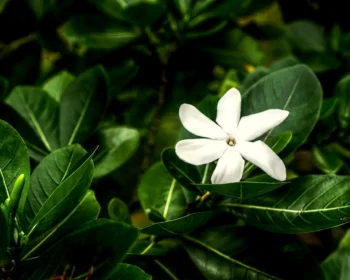
Tahitian Gardenia: A Fragrant Tropical Beauty for Your Hawaiian Garden
If you’ve ever dreamed of having that intoxicating tropical fragrance wafting through your garden, the Tahitian gardenia might just be calling your name. This gorgeous flowering tree brings a touch of Polynesian paradise to Hawaiian landscapes with its creamy white blooms and glossy green foliage.
What is Tahitian Gardenia?
Known botanically as Gardenia taitensis, the Tahitian gardenia is a perennial flowering tree that typically grows between 13 to 16 feet tall, though it can sometimes develop a shorter, multi-stemmed form depending on growing conditions. Originally hailing from French Polynesia, this beauty has found a comfortable home in Hawaii’s tropical climate.
You might also encounter this plant listed under its synonym, Gardenia weissichii, but don’t let that confuse you – it’s the same wonderfully fragrant tree.
Where Does It Grow?
While native to the islands of French Polynesia, particularly around Tahiti, this gardenia has established itself throughout Hawaii. It’s what botanists call a naturalized species – meaning it was introduced to Hawaii but now reproduces on its own in the wild without any help from humans.
- Species observed
- No observations
Why Choose Tahitian Gardenia?
There are several compelling reasons why gardeners fall head-over-heels for this tropical tree:
- Incredible fragrance: The white flowers produce an intoxicating scent that’s especially strong in the evening
- Beautiful blooms: Large, creamy white flowers create stunning contrast against the dark green foliage
- Glossy leaves: The evergreen foliage provides year-round visual interest
- Pollinator magnet: Night-flying moths and other pollinators love the fragrant flowers
- Tropical authenticity: Perfect for creating that authentic Polynesian garden vibe
What to Consider Before Planting
Before you rush to plant one, here are a few things to keep in mind:
Since Tahitian gardenia isn’t native to Hawaii, you might want to consider supporting native Hawaiian plants first. Native alternatives that offer similar beauty include native Hawaiian gardenias or other indigenous flowering trees that provide habitat for local wildlife.
This tree is also an obligate upland species, meaning it definitely doesn’t like wet feet – so skip it if you’re dealing with soggy, wetland areas.
Growing Conditions and Care
If you decide to grow Tahitian gardenia, here’s what it needs to thrive:
Climate Requirements
- USDA hardiness zones 10-12 only (perfect for Hawaii!)
- Tropical to subtropical climates
- Protection from strong winds
Soil and Water Needs
- Well-draining soil is absolutely essential
- Slightly acidic soil preferred
- Consistent moisture but never waterlogged
- Mulch around the base to retain moisture
Light Requirements
- Partial shade to full sun
- Morning sun with afternoon shade works well in hot climates
Planting and Care Tips
Getting your Tahitian gardenia off to a good start is pretty straightforward:
- Plant spacing: Give it plenty of room to reach its full size (up to 16 feet)
- Watering: Deep, regular watering but allow soil to dry slightly between waterings
- Pruning: Light pruning after flowering to maintain shape
- Fertilizing: Use an acid-loving plant fertilizer during growing season
- Mulching: Apply organic mulch to conserve moisture and suppress weeds
Role in Your Landscape Design
Tahitian gardenia works beautifully as:
- A specimen tree in tropical garden designs
- Part of a fragrance garden near patios or windows
- Background planting in mixed tropical borders
- Focal point in Hawaiian-style landscaping
The Bottom Line
Tahitian gardenia is undeniably gorgeous and perfectly suited to Hawaii’s climate. While it’s not native to the islands, it’s not considered invasive either, making it a reasonable choice for gardeners who want that authentic tropical look and incredible fragrance.
Just remember to consider native Hawaiian alternatives first – they’ll provide the same tropical beauty while supporting local ecosystems. But if your heart is set on that classic gardenia fragrance floating through your evening garden, Tahitian gardenia might just be your perfect match.