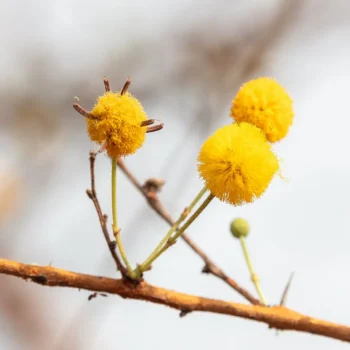
Talh Tree: A Drought-Tolerant Beauty from Africa’s Dry Lands
If you’ve ever dreamed of adding an exotic touch to your drought-tolerant landscape, the talh tree (Vachellia seyal) might just catch your eye. This African native brings a unique combination of feathery foliage, golden blooms, and remarkable drought tolerance that’s hard to ignore. But before you rush to the nursery, let’s explore whether this thorny beauty deserves a spot in your garden.
What Exactly Is a Talh Tree?
The talh tree, scientifically known as Vachellia seyal, is a medium-sized acacia that’s perfectly adapted to life in some of Africa’s harshest environments. You might also see it listed under its former scientific name, Acacia seyal. This sturdy tree has evolved to thrive where many others would simply give up, making it an intriguing option for water-conscious gardeners.
Where Does It Come From?
Talh trees call the African Sahel region home, stretching their native range from Senegal all the way to Sudan and down to northern Kenya and Uganda. These trees have spent millennia perfecting their survival skills in landscapes where rain is precious and temperatures soar.
The Good, The Bad, and The Thorny
Let’s be honest about what you’re getting into with a talh tree:
The Appealing Aspects
- Stunning golden-yellow, ball-shaped flowers that bloom in clusters
- Delicate, feathery bipinnate leaves that create dappled shade
- Attractive reddish-brown bark that peels away in patches, adding textural interest
- Exceptional drought tolerance once established
- Relatively fast growth in suitable conditions
- Nectar-rich flowers that attract bees and other pollinators
The Challenges
- Seriously sharp thorns that make maintenance a careful endeavor
- Limited cold tolerance (USDA zones 9-11 only)
- Can become quite large, reaching 40-60 feet in ideal conditions
- Being non-native, it won’t support local wildlife as effectively as indigenous species
Is This Tree Right for Your Landscape?
The talh tree shines in specific garden situations. If you’re creating a Mediterranean-style landscape, designing a water-wise garden, or looking for a specimen tree that can handle serious heat and drought, this could be your match. It works beautifully in xerophytic landscapes and can serve as an attractive shade tree in arid regions.
However, if you live outside zones 9-11, deal with regular frost, or prefer low-maintenance plants without defensive thorns, you might want to look elsewhere.
Growing Your Talh Tree Successfully
If you’ve decided to give this African beauty a try, here’s how to set it up for success:
Planting Basics
- Choose a spot with full sun exposure
- Ensure excellent drainage – these trees hate wet feet
- Plant in spring after any frost danger has passed
- Give it plenty of room to spread (think 20-30 feet from structures)
Care and Maintenance
- Water regularly during the first year to help establishment
- Once established, it’s remarkably drought-tolerant
- Minimal fertilization needed – these trees are adapted to poor soils
- Prune carefully due to thorns, and only as needed for structure
- Wear thick gloves and long sleeves during any maintenance
A Word About Native Alternatives
While talh trees can be beautiful additions to suitable landscapes, consider exploring native alternatives that might offer similar benefits while better supporting your local ecosystem. Depending on your region, native acacias, mesquites, or other drought-tolerant trees might provide comparable beauty with added ecological benefits.
The Bottom Line
The talh tree is like that interesting friend from abroad – fascinating, beautiful in their own way, but requiring some adjustment to fit into your local scene. If you have the right climate, space, and appreciation for drought-adapted plants, it can be a rewarding addition. Just remember to respect those thorns, plan for its eventual size, and perhaps balance your landscape with some native species that local wildlife will truly appreciate.
Before planting, check with your local extension office about any concerns regarding non-native species in your area. After all, the best garden is one that’s both beautiful and responsible to its local environment.