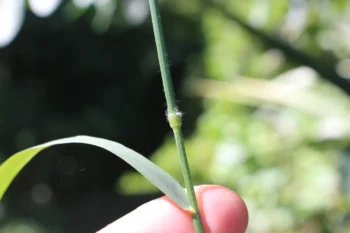
Tall Oatgrass: A Hardy Perennial Grass for Naturalized Gardens
If you’re looking for a resilient grass that can handle tough conditions and create a naturalized look in your landscape, tall oatgrass (Arrhenatherum elatius var. elatius) might catch your attention. This perennial grass has made itself quite at home across North America, though it originally hails from much farther away.
What Is Tall Oatgrass?
Tall oatgrass is a perennial grass that forms attractive clumps of narrow, light green foliage topped with graceful, oat-like seed heads. Don’t let the name fool you—while it’s called tall, it’s more medium-sized compared to some ornamental grasses, typically reaching 2-4 feet in height. The delicate, loose flower panicles dance in the breeze and add movement to the garden throughout the growing season.
Where Does It Come From?
Here’s where things get interesting: tall oatgrass isn’t actually native to North America. This European and Asian native has become widely established across the continent, from Alaska down to Hawaii and everywhere in between. You’ll find it growing in states from Alabama to Wyoming, and it’s also spread throughout much of Canada.
- Species observed
- No observations
While it’s not considered invasive in most areas, this adaptable grass has certainly made itself comfortable in its adopted home, reproducing and persisting without any help from gardeners.
Should You Plant Tall Oatgrass?
The answer depends on what you’re trying to achieve in your garden. Tall oatgrass can be useful for:
- Erosion control on slopes or disturbed areas
- Creating naturalized meadow-style plantings
- Low-maintenance areas where you want grass coverage
- Filling in difficult spots where other plants struggle
However, since it’s not native, you might want to consider native grass alternatives that would better support local wildlife and ecosystems. Native bunch grasses or prairie grasses specific to your region could provide similar benefits while supporting birds, butterflies, and other local creatures.
Growing Tall Oatgrass Successfully
If you decide to give tall oatgrass a try, you’ll find it refreshingly easy to grow. This grass is quite forgiving and adaptable to various conditions.
Climate and Hardiness
Tall oatgrass thrives in USDA hardiness zones 3-9, making it suitable for most of North America. It handles both cold winters and warm summers quite well.
Ideal Growing Conditions
This grass is pleasantly undemanding:
- Sunlight: Full sun to partial shade (though it performs best with plenty of sun)
- Soil: Adaptable to various soil types, from clay to sandy soils
- Moisture: Moderate water needs—drought tolerant once established but appreciates occasional watering
- pH: Tolerates a wide range of soil pH levels
Planting and Care Tips
Getting tall oatgrass established is straightforward:
- Plant seeds in spring or early fall for best establishment
- Prepare the soil by removing weeds and loosening compacted areas
- Scatter seeds and lightly rake them into the soil surface
- Keep the soil moderately moist until germination occurs
- Once established, this grass requires minimal care—just occasional watering during extended dry periods
Be aware that tall oatgrass can self-seed readily, so you may find new plants popping up in unexpected places. This can be either a feature or a concern, depending on your garden goals.
Wildlife and Pollinator Considerations
As a wind-pollinated grass, tall oatgrass doesn’t offer much direct benefit to pollinators like bees and butterflies. However, the seeds can provide food for some bird species, and the grass structure may offer habitat for small creatures.
For better wildlife support, consider mixing tall oatgrass with native wildflowers or choosing native grass species that have co-evolved with local wildlife and provide more ecological benefits.
The Bottom Line
Tall oatgrass is a reliable, low-maintenance choice for gardeners who need a tough grass for challenging sites or naturalized areas. While it won’t win any awards for supporting native wildlife, it gets the job done with minimal fuss. Just remember to consider native alternatives that might better serve your local ecosystem—your neighborhood birds and butterflies will thank you!