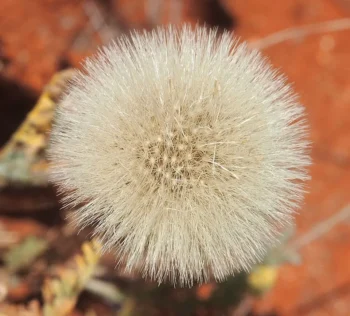
Tall Yellowtop: The Mystery Plant That Might Leave You Scratching Your Head
If you’ve stumbled across the name tall yellowtop (Senecio magnificus) in your gardening research, you’re not alone in wondering what exactly this plant is all about. Here’s the thing: this particular species is something of an enigma in the plant world, with very limited information available to help gardeners make informed decisions.
What We Know (And Don’t Know) About Tall Yellowtop
Senecio magnificus, commonly called tall yellowtop, belongs to the vast Senecio genus, which includes hundreds of species worldwide. However, unlike many of its well-documented cousins, this particular species remains shrouded in mystery when it comes to practical gardening information.
Currently, we don’t have reliable data about:
- Its native range or geographical distribution
- Whether it’s considered invasive or beneficial
- Specific growing requirements and care needs
- Wildlife and pollinator benefits
- Appropriate hardiness zones
The Challenge of Mysterious Plants
When a plant species lacks documented information, it creates a real dilemma for responsible gardeners. Without knowing whether tall yellowtop is native to your area, potentially invasive, or what growing conditions it requires, it’s nearly impossible to determine if it belongs in your garden.
A Safer Approach: Well-Documented Native Alternatives
Instead of taking a gamble on a mystery plant, consider these well-researched native alternatives that can provide similar aesthetic appeal:
- Native sunflower species – Offer bright yellow blooms and excellent pollinator support
- Goldenrod varieties – Provide late-season yellow flowers and crucial wildlife habitat
- Native asters – Complement yellow flowers beautifully and support beneficial insects
- Black-eyed Susan – Reliable, long-blooming native with cheerful yellow petals
What to Do If You Encounter Tall Yellowtop
If you come across Senecio magnificus in plant catalogs, nurseries, or existing landscapes, here’s what we recommend:
- Research thoroughly before planting, checking with local extension offices
- Verify the plant’s identity with botanical experts
- Consider the precautionary principle – when in doubt, choose well-documented natives
- If you already have this plant, monitor it carefully for any aggressive spreading behavior
The Bottom Line on Mystery Plants
While the name tall yellowtop certainly sounds appealing, the lack of available information about Senecio magnificus makes it a risky choice for responsible gardeners. Your landscape will be better served by choosing native plants with well-documented benefits, clear growing requirements, and proven track records of supporting local ecosystems.
Remember, the best garden plants are those that work harmoniously with your local environment while providing reliable beauty and ecological benefits. When information is scarce, it’s always better to err on the side of caution and choose plants with established reputations as garden-worthy natives.