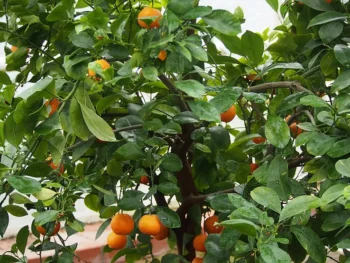
Tangerine Trees: A Sweet Addition to Your Garden (With a Few Caveats)
If you’ve ever dreamed of plucking fresh, juicy tangerines right from your backyard, you’re not alone! The tangerine (Citrus reticulata) is a delightful citrus tree that can bring both beauty and bounty to the right garden setting. But before you start digging that hole, let’s explore what makes this tree tick and whether it’s the right choice for your landscape.
What Exactly Is a Tangerine Tree?
The tangerine is a perennial shrub that typically grows as a multi-stemmed woody plant, usually staying under 13-16 feet tall. Don’t let the word shrub fool you though – these plants can develop into lovely small trees under the right conditions! Also known by its synonym Citrus nobilis Andrews, this evergreen beauty is all about that citrus life.
Where Do Tangerines Call Home?
Here’s where things get interesting from a native gardening perspective. Tangerines aren’t actually native to the United States – they originally hail from Southeast Asia. However, they’ve made themselves quite comfortable in warmer parts of our country, particularly in Florida, Guam, Palau, and Puerto Rico, where they’ve been introduced and now reproduce on their own in the wild.
- Species observed
- No observations
The Appeal Factor: Why Gardeners Love Tangerines
Let’s be honest – tangerine trees are pretty irresistible. Here’s what makes them garden darlings:
- Fragrant white to pale orange flowers that bloom in spring
- Glossy, evergreen foliage that looks good year-round
- Bright orange fruits that are as tasty as they are beautiful
- Compact size that works well in smaller spaces
- Attractive specimen plant for Mediterranean-style gardens
Pollinator Paradise
Those sweetly scented citrus blossoms aren’t just pretty to look at – they’re absolute bee magnets! Tangerine flowers provide valuable nectar for bees and other pollinators, making your tree a buzzing hub of activity during bloom time.
Growing Conditions: What Tangerines Crave
Tangerines are definitely sun worshippers and have some specific needs:
- Sunlight: Full sun is essential for healthy growth and fruit production
- Soil: Well-draining soil is crucial – these trees hate wet feet
- Water: Regular watering, but avoid waterlogged conditions
- Climate: USDA hardiness zones 9-11 only – they’re quite frost-sensitive
- Wetland status: Obligate upland plants that almost never occur in wetlands
Perfect Garden Settings
Tangerine trees shine in:
- Mediterranean-style landscapes
- Subtropical gardens
- Container gardens (great for colder climates!)
- Edible landscapes
- As specimen plants in protected courtyards
Planting and Care Tips
Ready to give tangerines a try? Here’s your success roadmap:
- Plant in spring after all frost danger has passed
- Choose a sunny, protected location
- Ensure excellent drainage – consider raised beds if your soil is heavy
- Water regularly during the growing season, but let soil dry slightly between waterings
- Fertilize regularly during the growing season with citrus-specific fertilizer
- Prune annually to maintain shape and remove dead wood
- Protect from frost with covers or by growing in containers you can move indoors
The Native Plant Perspective
As a native plant enthusiast, I feel it’s important to mention that while tangerines aren’t invasive, they’re also not native to our ecosystems. If you’re committed to supporting local wildlife and maintaining ecological balance, you might consider these native alternatives that offer similar benefits:
- Native fruit-bearing trees specific to your region
- Indigenous flowering trees that support local pollinators
- Native shrubs with attractive foliage and wildlife value
The Bottom Line
Tangerine trees can be wonderful additions to the right garden – they’re beautiful, productive, and support pollinators. Just remember they’re only suitable for warm climates (zones 9-11) and require protection from frost. While they’re not native, they’re also not considered invasive, so if you have the right conditions and love the idea of homegrown citrus, go for it! Just consider balancing your landscape with native plants too, because our local ecosystems will thank you for it.
Whether you choose tangerines or native alternatives, the most important thing is creating a garden that brings you joy while being mindful of our natural world. Happy gardening!