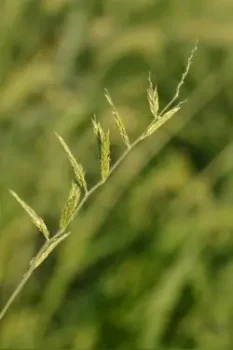
Tapertip Cupgrass: A Versatile Native Annual for Naturalized Gardens
If you’re looking to add authentic native character to your garden while supporting local wildlife, tapertip cupgrass (Eriochloa acuminata) might just be the understated hero your landscape needs. This charming annual grass may not win any beauty contests, but it’s got personality and purpose in spades.
Getting to Know Tapertip Cupgrass
Tapertip cupgrass is a native annual grass that belongs to the Poaceae family—the same group that includes all our familiar lawn grasses, though this one’s got much wilder aspirations. As its name suggests, this grass produces distinctive tapered seed heads that give it a delicate, almost ethereal appearance when they catch the morning light.
Being an annual means tapertip cupgrass completes its entire life cycle in one growing season, sprouting from seed in spring, growing through summer, setting seed in fall, then dying back to let the next generation take over. It’s nature’s way of keeping things interesting year after year.
Where You’ll Find It Growing Wild
This adaptable grass has made itself at home across a impressive swath of the United States, naturally occurring in Arizona, Arkansas, California, Florida, Georgia, Illinois, Kentucky, Louisiana, Maryland, Mississippi, Missouri, Nevada, New Mexico, New York, North Carolina, Oklahoma, South Carolina, Tennessee, Texas, Utah, and Virginia. That’s quite the road trip for a little grass!
- Species observed
- No observations
The Wetland Connection
One of tapertip cupgrass’s most interesting features is its relationship with water. Depending on where you live, this grass shows different preferences:
- In the Arid West, Midwest, and Northeast regions, it’s considered Facultative Wetland, meaning it usually hangs out in wet spots but can handle drier conditions
- In other regions like the Great Plains and Eastern Mountains, it’s labeled Facultative, showing it’s equally happy in wet or dry locations
This flexibility makes it a fantastic choice for those tricky spots in your garden where water levels fluctuate—maybe near a rain garden, along a seasonal stream, or in that low spot that stays soggy after heavy rains.
Why Gardeners Love (or Should Love) Tapertip Cupgrass
Let’s be honest—tapertip cupgrass won’t stop traffic with flashy flowers or dramatic foliage. But here’s why it deserves a spot in your native plant palette:
- Ultimate low-maintenance: As a self-seeding annual, it basically takes care of itself once established
- Habitat provider: Creates important structural habitat for beneficial insects and provides cover for small wildlife
- Soil stabilization: Its root system helps prevent erosion, especially in moist areas
- Authentic native character: Adds genuine local ecosystem vibes to naturalized gardens
- Seasonal interest: Provides subtle texture changes throughout the growing season
Growing Tapertip Cupgrass Successfully
The beauty of working with native annuals like tapertip cupgrass is that they’ve already figured out how to thrive in your local conditions. Here’s how to help them along:
Ideal Growing Conditions
- Sunlight: Full sun to partial shade (quite accommodating!)
- Soil: Moist to wet soils, but tolerates various soil types
- Hardiness zones: 6-10, though as an annual, it’s more about having a long enough growing season
- Water: Prefers consistent moisture but can handle some drought once established
Planting and Care Tips
- Start from seed in early spring after last frost danger passes
- Scatter seeds in prepared soil and barely cover—they need some light to germinate
- Keep soil consistently moist during germination period
- Once established, minimal care needed—nature takes over
- Allow plants to set seed for natural reseeding the following year
- Thin overcrowded areas if needed, but usually self-regulates
Perfect Garden Companions and Uses
Tapertip cupgrass shines brightest in naturalized settings where its subtle charm can complement showier native plants. Consider using it in:
- Prairie and meadow gardens: Provides authentic grassland texture
- Rain gardens: Excellent for areas with variable moisture
- Wildlife habitat gardens: Creates important structural diversity
- Naturalized areas: Perfect for transitional zones between formal and wild spaces
- Erosion control projects: Helps stabilize slopes and banks
Pair it with other native wildflowers and grasses that share similar growing conditions. Think native sedges, wildflowers like black-eyed susan or purple coneflower, and other prairie grasses for a authentic ecosystem approach.
The Bottom Line
Tapertip cupgrass may not be the star of your garden show, but it’s definitely a valuable supporting cast member. If you’re working to create authentic native habitat, support local wildlife, or need a low-maintenance solution for challenging wet spots, this humble annual grass delivers without demanding much attention in return.
It’s the kind of plant that grows on you—literally and figuratively. Give it a season or two, and you’ll start appreciating the subtle beauty of its delicate seed heads swaying in the breeze and the knowledge that you’re supporting the complex web of native wildlife that depends on plants like this to thrive.