Tara Vine: The Hardy Kiwi That’s Taking American Gardens by Storm
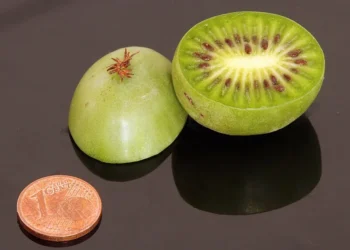
Ever heard of a kiwi fruit you can eat skin and all, straight off the vine in your backyard? Meet the tara vine (Actinidia arguta), a vigorous climbing plant that’s been quietly making its way into American gardens. This hardy relative of the fuzzy kiwi fruit might just be the edible vine you never knew you needed.
What Exactly Is Tara Vine?
Tara vine is a perennial climbing plant that originally hails from the temperate regions of Asia, including China, Korea, Japan, and eastern Russia. Unlike its grocery store cousin, this hardy kiwi produces smooth-skinned, grape-sized fruits that pack all the sweet-tart flavor of regular kiwi into a pop-in-your-mouth package.
This vigorous climber features heart-shaped leaves and produces small, fragrant white flowers in late spring to early summer. Come fall, those leaves turn a lovely golden yellow before dropping, and if you’re lucky enough to have both male and female plants, you’ll be harvesting handfuls of delicious mini kiwis.
Where You’ll Find Tara Vine Growing Wild
As a non-native species that’s been introduced to North America, tara vine has established itself and now reproduces on its own in several states. You’ll find it growing wild in Maine, Massachusetts, New Jersey, New York, and Ohio, where it has proven quite adaptable to local conditions.
- Species observed
- No observations
Is Tara Vine Right for Your Garden?
The big question: should you plant it? Tara vine isn’t considered invasive, but it is a vigorous grower that can quickly take over if not properly managed. Here’s what to consider:
The Good
- Delicious, easy-to-harvest fruit that’s packed with vitamin C
- Attractive foliage and fragrant flowers
- Excellent for covering unsightly structures
- Hardy in USDA zones 3-8
- Relatively pest and disease resistant
- Attracts pollinators like bees
The Considerations
- Requires both male and female plants for fruit production
- Needs a very strong support structure
- Can be quite aggressive in its growth
- May take 3-5 years to start producing fruit
Growing Tara Vine Successfully
If you decide to give tara vine a try, here’s how to set yourself up for success:
Location and Support
Choose a spot with full sun to partial shade and install a robust support system before planting. We’re talking sturdy pergolas, strong fences, or heavy-duty arbors – this vine means business when it comes to climbing and can easily reach 20-30 feet if left unchecked.
Soil and Water
Tara vine prefers well-drained, fertile soil with consistent moisture. A good layer of mulch around the base will help retain moisture and keep the roots cool. While it’s somewhat drought-tolerant once established, regular watering will give you the best fruit production.
Planting for Fruit
Here’s where things get a bit complicated: tara vine plants are either male or female, and you need both to get fruit. Plant one male for every 6-8 female plants. The males won’t produce fruit, but they’re essential for pollinating the females.
Pruning and Maintenance
Prune in late winter while the plant is dormant. This vigorous grower benefits from annual pruning to keep it in bounds and encourage fruit production. Remove any dead, damaged, or crossing branches, and don’t be afraid to cut it back hard if it’s getting out of control.
Native Alternatives to Consider
While tara vine isn’t problematic, you might want to consider some native climbing alternatives that provide similar benefits to local wildlife:
- American groundnut (Apios americana) – edible tubers and beautiful flowers
- Wild grape (Vitis riparia) – native fruit and excellent wildlife value
- American bittersweet (Celastrus scandens) – stunning fall berries
- Virginia creeper (Parthenocissus quinquefolia) – brilliant fall color
The Bottom Line
Tara vine can be a delightful addition to the right garden, especially if you’re interested in edible landscaping and have a strong structure that needs covering. Just remember that this is a plant with ambition – give it an inch, and it’ll take a yard (literally). With proper planning and regular maintenance, you could be enjoying home-grown hardy kiwis in just a few years.
Whether you choose tara vine or opt for a native alternative, the key is matching the plant to your space and maintenance preferences. Happy gardening!