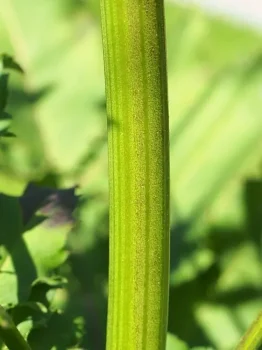
Tatarian Cephalaria: A Towering Beauty for Your Garden
Looking for a dramatic plant that can add serious height and cottage garden charm to your landscape? Meet Tatarian cephalaria (Cephalaria gigantea), a statuesque perennial that’s been quietly winning over gardeners with its impressive stature and frothy, cream-colored blooms.
What is Tatarian Cephalaria?
Tatarian cephalaria is a herbaceous perennial forb that belongs to the scabious family. This non-native plant originally hails from the Caucasus region and has found its way into North American gardens, where it naturalizes in parts of Canada and the northern United States. You might also see it listed under the synonym Cephalaria tatarica in some older gardening references.
Where Does It Grow?
Currently, Tatarian cephalaria has established populations in Ontario, Quebec, and Wisconsin. As a non-native species, it has demonstrated the ability to reproduce and persist on its own in these regions.
- Species observed
- No observations
Why Consider Tatarian Cephalaria?
This impressive plant brings several appealing qualities to the garden:
- Dramatic height: Reaching 6-8 feet tall, it creates instant vertical interest
- Long blooming period: Produces clusters of creamy-white, scabious-like flowers throughout summer
- Pollinator magnet: Attracts bees, butterflies, and other beneficial insects
- Low maintenance: Once established, it’s quite drought tolerant
- Cottage garden charm: Perfect for creating that romantic, slightly wild garden aesthetic
Garden Design and Placement
Tatarian cephalaria works beautifully as a back-of-the-border specimen where its height won’t overshadow smaller plants. It’s particularly at home in cottage gardens, naturalized areas, or mixed perennial borders where its somewhat informal growth habit can shine. The plant spreads to about 3-4 feet wide, so give it room to breathe.
This fast-growing perennial can self-seed readily, making it an excellent choice for naturalized plantings or areas where you want a more relaxed, self-sustaining garden feel.
Growing Conditions and Care
One of the best things about Tatarian cephalaria is how easy-going it is:
- Sunlight: Thrives in full sun to partial shade
- Soil: Prefers well-drained soil but isn’t particularly fussy about soil type
- Water: Drought tolerant once established, though regular watering during dry spells promotes better blooming
- Hardiness: Hardy in USDA zones 4-8
Planting and Care Tips
Getting started with Tatarian cephalaria is refreshingly straightforward:
- Plant in spring after the last frost date
- Space plants 3-4 feet apart to accommodate their mature spread
- Consider staking in windy locations due to their height
- Cut back spent flower stems to encourage additional blooms
- Allow some flowers to go to seed if you want natural self-seeding
- Divide clumps every 3-4 years to maintain vigor
A Word About Native Alternatives
While Tatarian cephalaria is a lovely garden plant, gardeners interested in supporting local ecosystems might also consider native alternatives that provide similar height and pollinator benefits. Depending on your region, options might include wild bergamot, New England aster, or cup plant, all of which offer impressive stature and excellent wildlife value.
The Bottom Line
Tatarian cephalaria offers gardeners an easy-care option for adding dramatic height and cottage garden appeal to their landscapes. Its impressive blooms, pollinator benefits, and low-maintenance nature make it a solid choice for the right garden setting. Just be prepared for its enthusiastic self-seeding habits – though many gardeners consider this a feature rather than a bug!
Whether you’re creating a romantic cottage garden or need a reliable back-of-border performer, this towering beauty might just be the perfect fit for your landscape.